


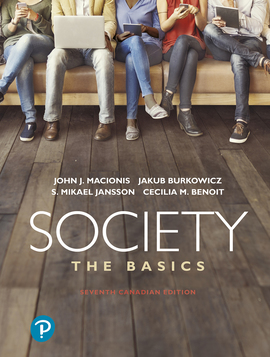
John J. Macionis was born and raised in Philadelphia, Pennsylvania. He began studying engineering at Cornell University before majoring in sociology and earning a bachelor’s degree. John received a doctorate in sociology from the University of Pennsylvania.
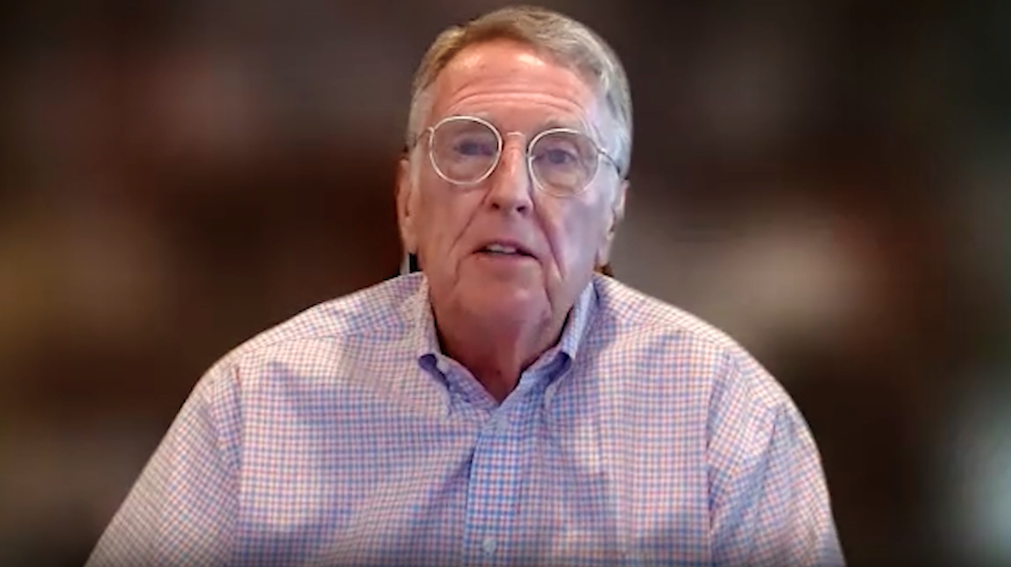

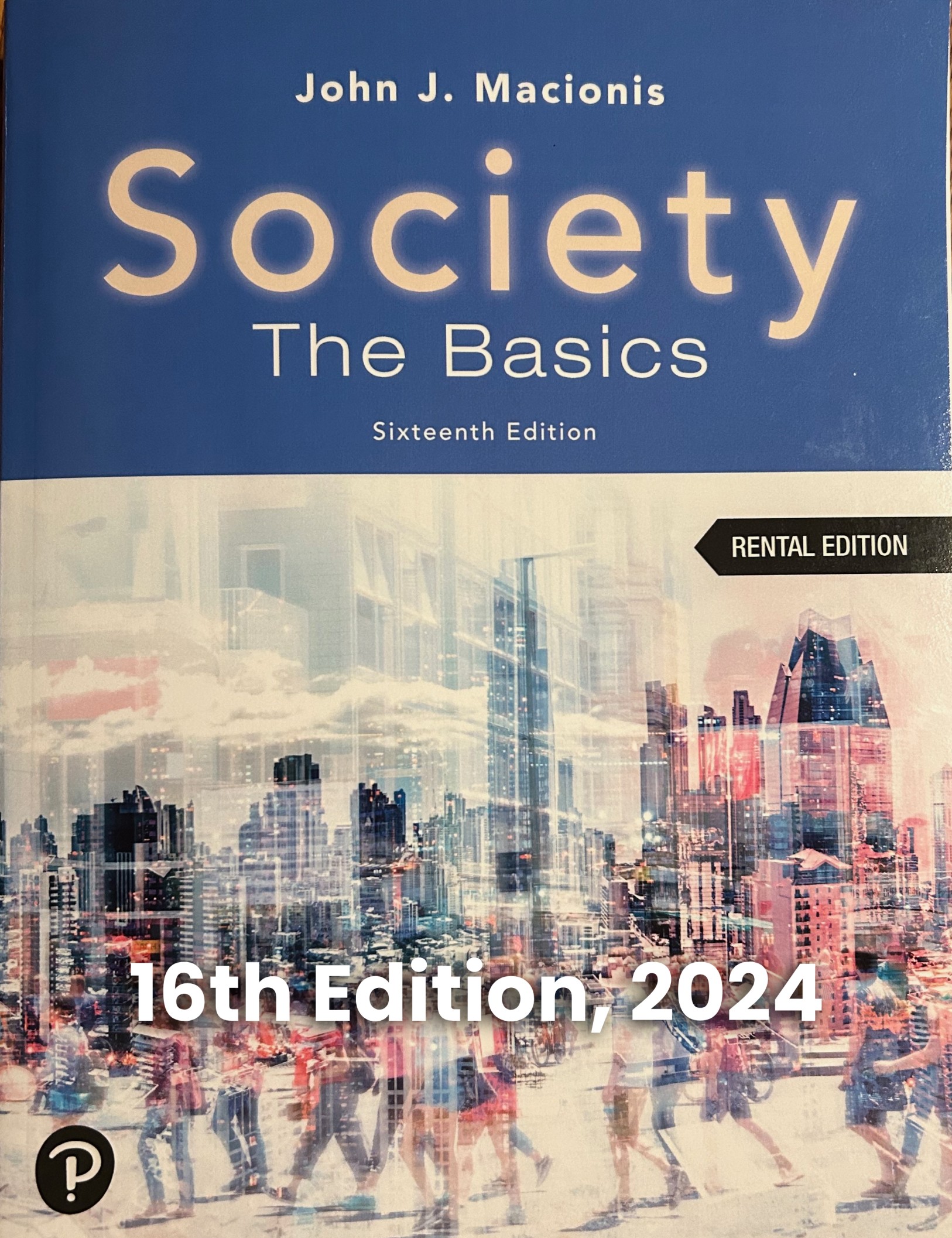
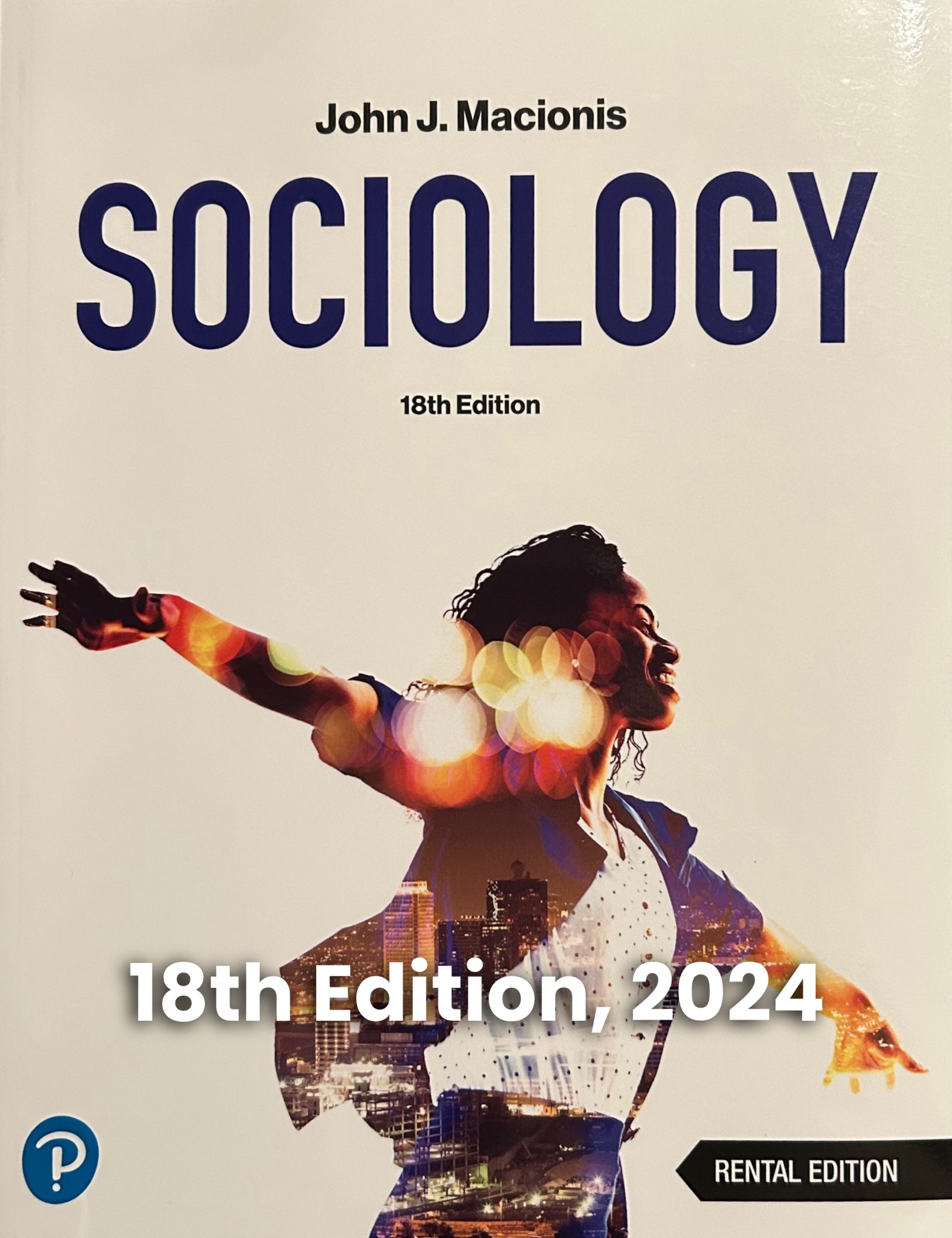
With years of experience across schools, community colleges, and universities, my primary goal has always been to offer the best-in-class material to my colleagues and students. In a rapidly changing world, it’s crucial that textbooks evolve as well. I believe that timely updates to book editions are essential to ensure relevance and accuracy, reflecting new knowledge.







Depending on the era of her career, Sasha has played with faceless content. By obscuring her eyes or shooting from the neck down, she forces the audience to focus on energy rather than identity. This scarcity of the face drives insane engagement when she does reveal her full expression.
On her official page, the Sasha de Sade Instagram , she has amassed over 226,000 followers. Her grid is a mix of high-fashion photography, travel logs, and interactive Reels. In her video content, she frequently answers anonymous Ask Me Anything (AMA) queries, leaning into complex analogies—sometimes incorporating niche topics like physics, philosophy, and dry humor—which contrast uniquely with the expectations of the glamour modeling space. 2. TikTok and Short-Form Video
Sasha doesn’t post the same thing everywhere. This is a critical lesson in her career. On Instagram, you get the polished gallery. On Twitter/X, you get the hot takes and real-time commentary. On TikTok, you get behind-the-scenes chaos and reaction videos. On OnlyFans and Patreon, you get the extended universe—unedited vlogs, Q&As, and adult content that never appears on mainstream platforms. onlyfans sasha de sade leah hayes english p hot
However, as their online presence grew, they faced challenges related to maintaining a professional boundary. They realized the importance of setting clear limits and being mindful of their content, ensuring that it was respectful and suitable for their audience.
Sasha de Sade built her presence by cultivating an aesthetic that is both luxurious and approachable. With over 226K followers on Instagram as of mid-2024, she has positioned herself as a prominent lifestyle influencer. Her journey highlights the power of consistency and visual storytelling in digital content creation. Instagram: A Visual Portfolio Depending on the era of her career, Sasha
Beyond film, she maintains a professional portfolio on Model Mayhem for collaborations with photographers in London and East Asia, emphasizing her interest in high-end fetish and fashion photography. Social Media Content Strategy
In the evolving digital landscape of content creation, few platforms have sparked as much conversation and controversy as OnlyFans. As the platform continues to grow, new creators and unique collaborations capture the public's attention. Among the trending keywords surfacing in online searches is "OnlyFans Sasha de Sade Leah Hayes English p hot." This article delves into what this search query represents, exploring the creators involved, the nature of the content, and why it has become a notable point of interest for English-speaking audiences. On her official page, the Sasha de Sade
If you want to focus on a specific aspect of her brand, let me know:
Sasha de Sade’s career is a case study in the "creator economy" model. By circumventing traditional studio systems, she retains creative control and a larger percentage of her revenue.
High-quality shots described as "auditioning to be a Roman statue" or "dressed for a date," often highlighting her fashion sense and 5'11" stature.
On the other side of the search query is Leah Hayes. This name also resonates strongly within the OnlyFans community. The popularity of creators like Leah Hayes is part of a broader trend on the platform, where a diverse range of individuals—from all backgrounds and walks of life—are finding financial independence and a dedicated fanbase through their content.
The focus of my work remains writing what I hope are the most engaging, up-to-date, and change-focused texts in the field of sociology. In an age of outsourcing and cost saving, I still do the work the old-fashioned way--by myself, and I do what it takes to get it right. All the content, all the supplements, all the test questions are done “in house” so you can have complete confidence in accuracy and quality. The Revel digital learning material, which is fully functional on any and all computers and mobile devices, is interactive, current, and written to change lives and change society.
Why digital? This is the future and it is already here. Most of today’s students have experienced digital learning for their entire lives. Because students expect information to be available through electronic devices, they are most likely to complete assignments that are available online. There are other advantages as well. Our digital titles are completely ADA compliant, presenting material in ways that meet the needs of all people including those with various disabilities. Readers can modify screen size, just as students can choose to listen to content available in audio files.
Digital learning is also the answer to the long-time problem of high book prices: Revel titles are sold for less than half of cost of print books (and students may choose to purchase a supplemental print version for a small additional cost). Yes, they can also opt to rent print books for a very low cost.
Most important, digital allows all students to learn through discovery. Rather than passively reading a book, students interact with a digital title that invites the experience of active discovery. Every semester, I increase the interactive content of our titles. This is the bright future of learning. Will you join me and our students on this journey?
If you have questions or comments, I invite you to write to me at macionis@kenyon.edu


Here is a forty minute video lecture that examines income inequality beginning with my own Kenyon campus and then investigates broader patterns of inequality in diverse work settings, including education, medicine, and the world of finance. The presentation also contrasts public perceptions to the reality of wealth inequality.