To understand why Triangle became such a viral sensation years after its release, one must understand its complex narrative structure.
: You can find the film explained in Hindi and Urdu on platforms like Dailymotion and YouTube , which provide deep dives into its intricate plot and shocking climax.
While the budget was modest, the film's ambition was grand. Director Smith wanted to make a circular film that explored the concept of déjà vu. He drew inspiration from a range of sources, including the Greek myth of Sisyphus (cursed to repeat the same task endlessly) and the nonlinear storytelling of films like Christopher Nolan's Memento (2000). The result is a film that challenges audiences to piece together its puzzle, making it an intense and rewarding experience for those who enjoy a complex narrative.
[The Storm] ➔ [The Ocean Liner] ➔ [The Murders] ➔ [The Reset] 🔄
The story begins when a group of friends set sail on a yacht for a seemingly carefree day trip. The group is led by Jess (Melissa George), a single mother struggling with her demanding autistic son, Tommy. From the start, Jess is plagued by a profound sense of déjà vu and dread. Their trip takes a horrific turn when a violent, mysterious storm capsizes their vessel, leaving the survivors to be rescued by a passing ocean liner, the Aeolus.
Jess, a single mother, goes on a yacht trip with friends. After a mysterious storm capsizes their boat, they board an abandoned ocean liner, only to find themselves hunted by a masked killer and trapped in a repeating cycle of death.
: You may find unofficial Hindi audio tracks or "explained in Hindi" videos on platforms like YouTube or DailyMotion. Official Platforms
The ship's name, Aeolus , refers to the father of Sisyphus in Greek mythology. Sisyphus was punished by the gods, forced to roll a boulder up a hill for eternity, only for it to fall back down. Jess is Sisyphus. The Loop Structure
If you've seen "Triangle" or have tips on where to find Hindi dubbed content, share your thoughts in the comments below!
MASSAGE
SEND
×The message has been sent!
In the near future we will reply to you.
Regards WDS
|
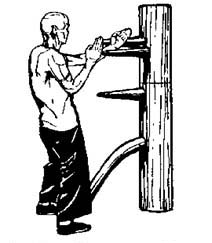
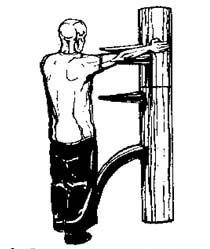
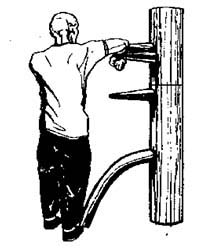
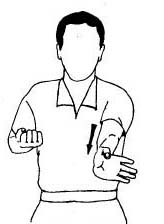
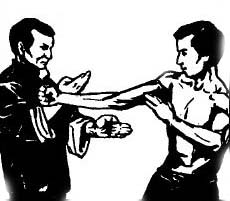
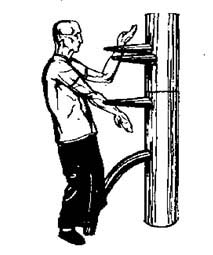
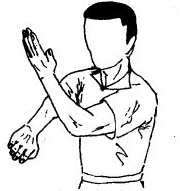
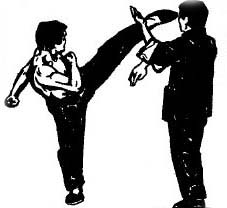
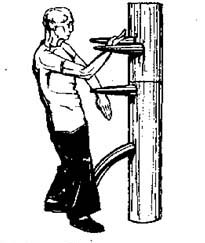
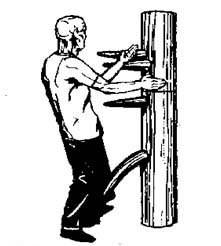
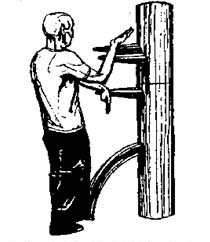
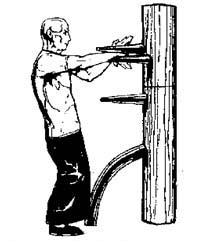
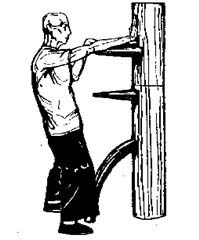
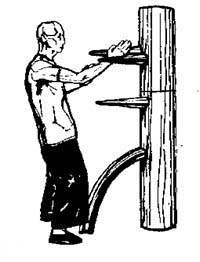
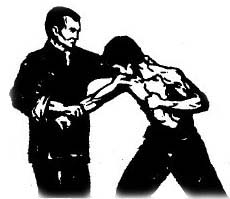
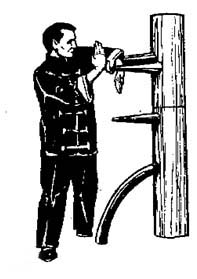
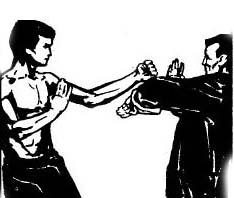
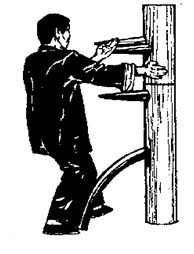
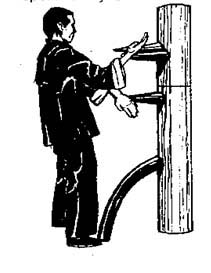
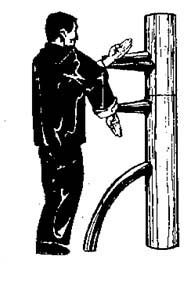
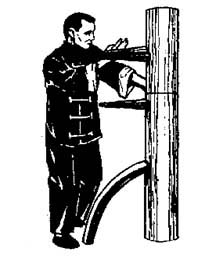
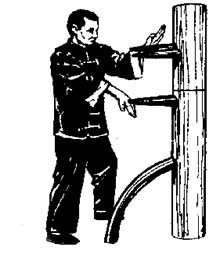
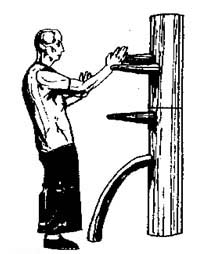
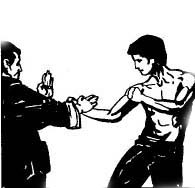
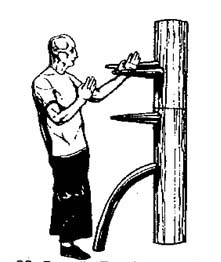
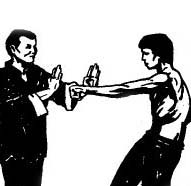
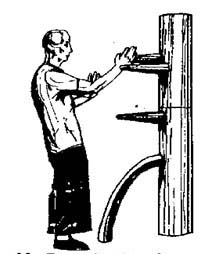
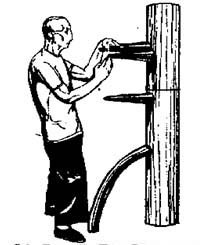
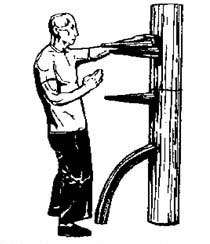
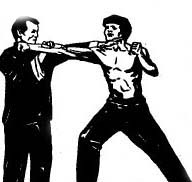
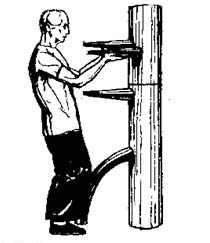
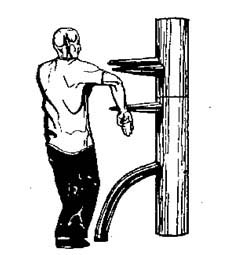
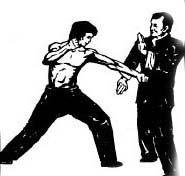
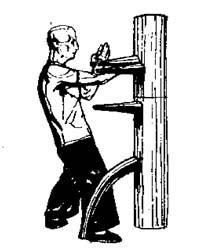
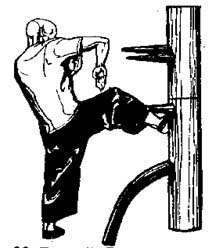
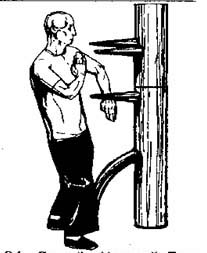
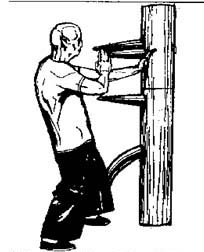
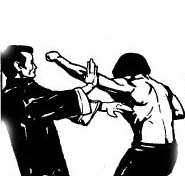
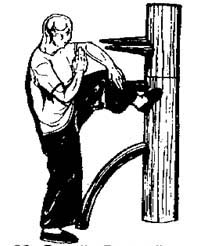
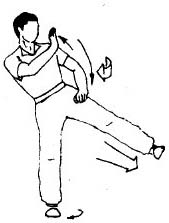
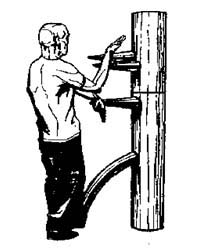
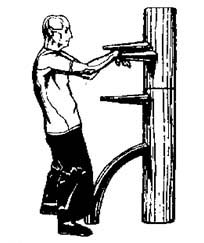
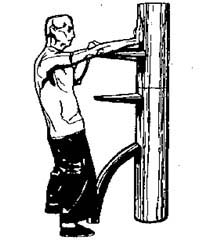
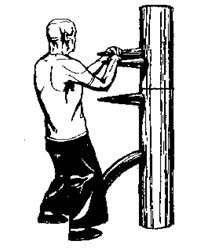
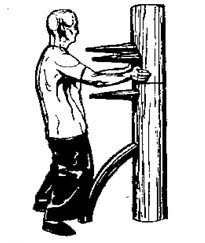
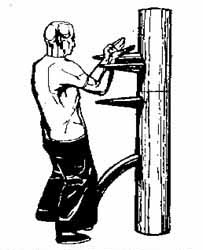
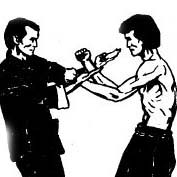
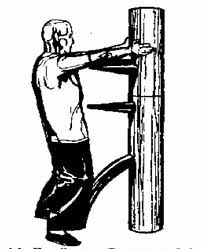
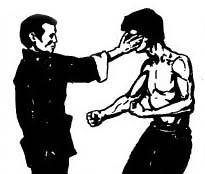
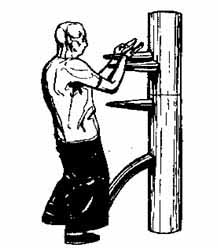
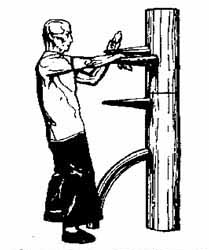
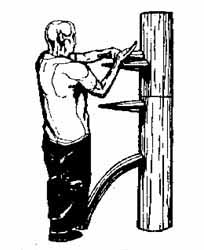
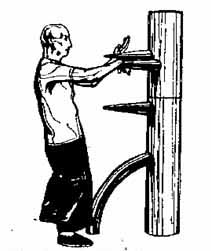
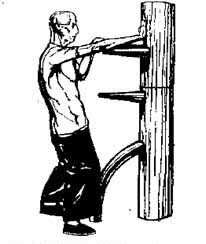
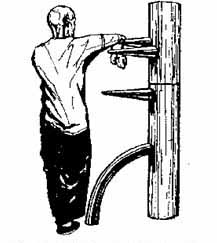
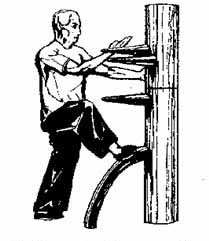
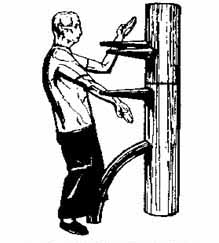
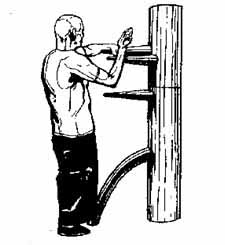
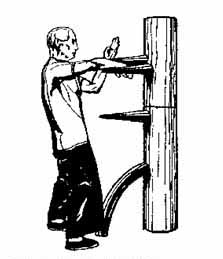
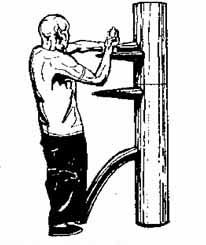
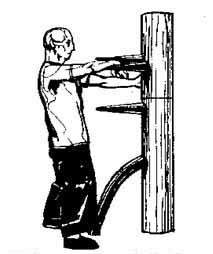
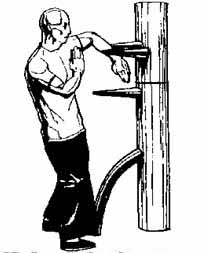
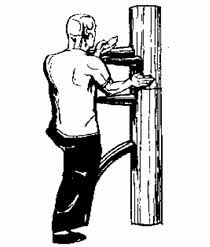
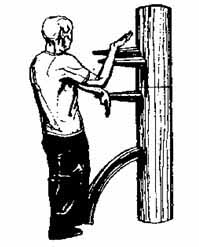
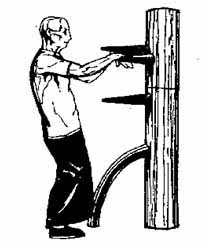
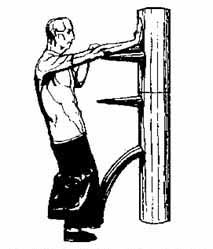
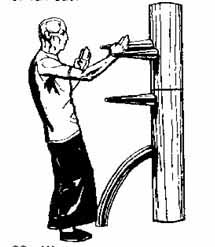
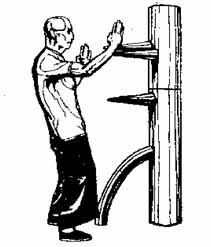
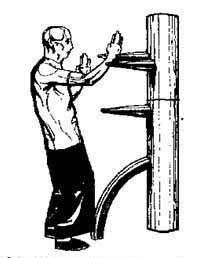
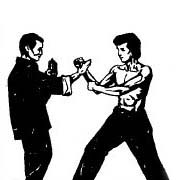
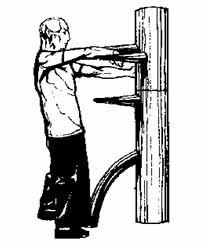
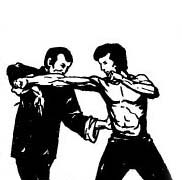
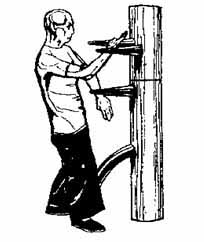
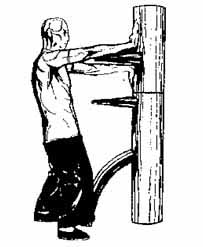
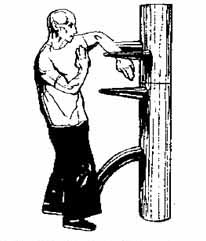
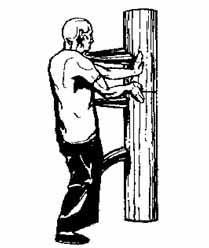
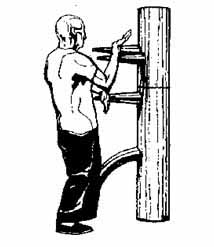
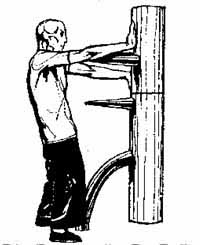
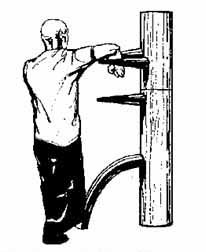
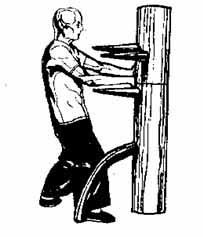
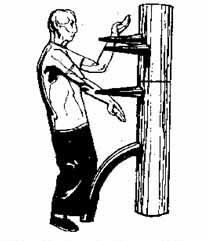
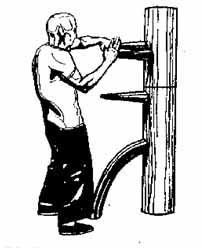
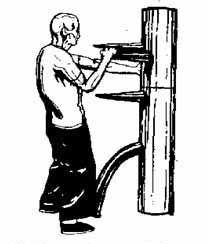
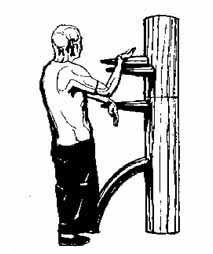
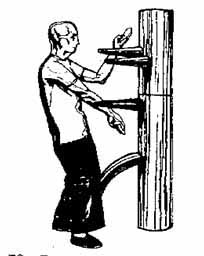
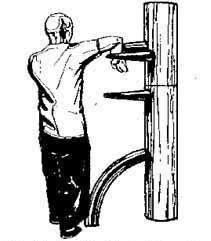
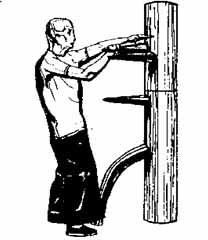
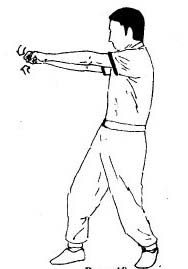
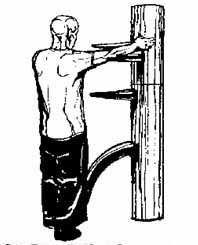
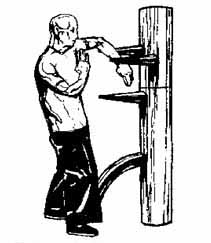
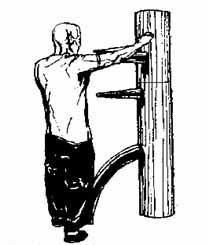
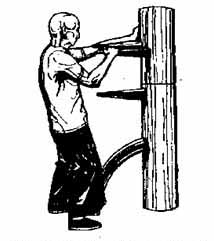
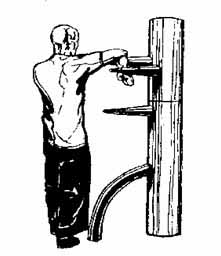
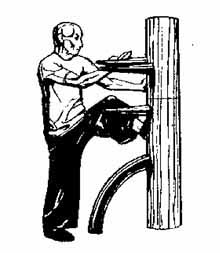
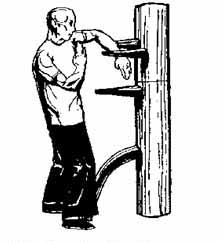
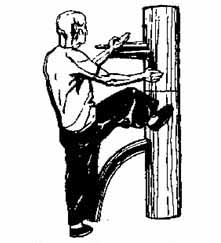
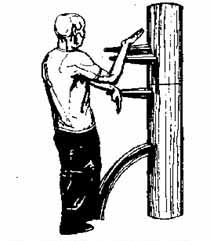
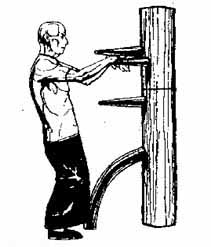
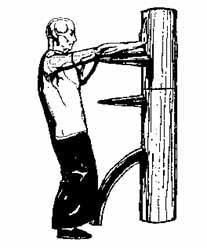
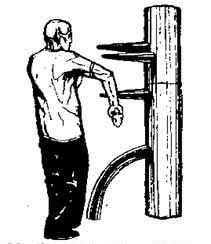
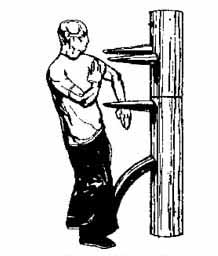
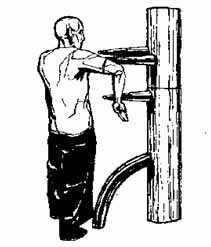
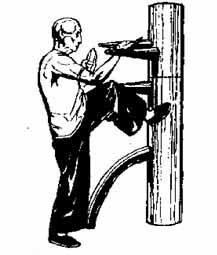
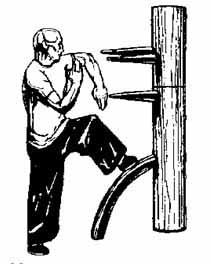
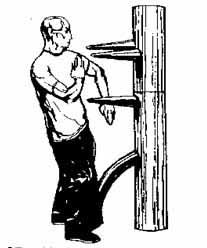
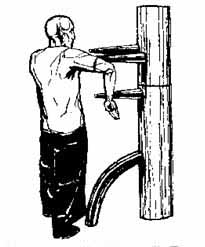
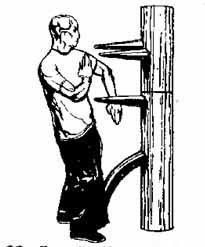
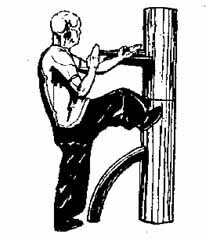
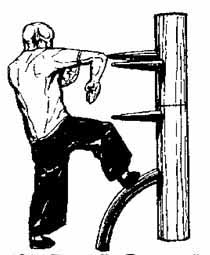
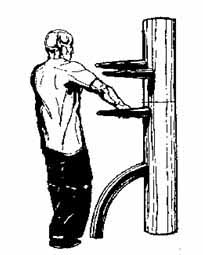
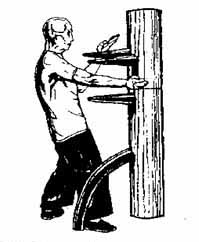
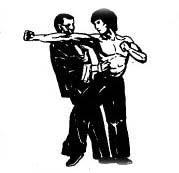
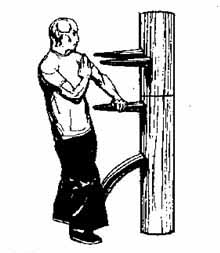
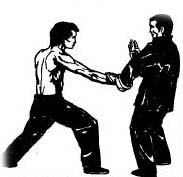
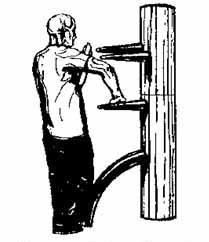
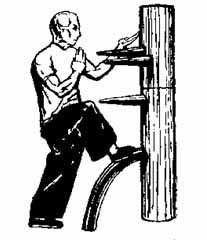
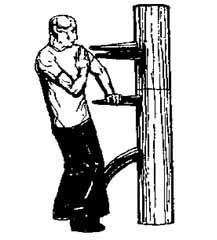
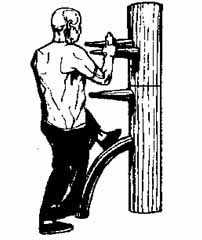
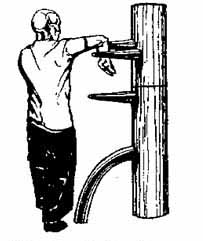
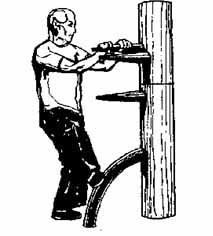
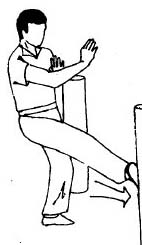
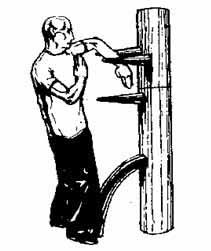
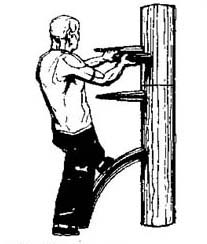
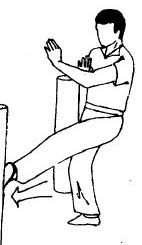
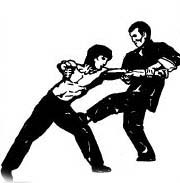
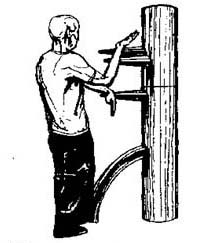
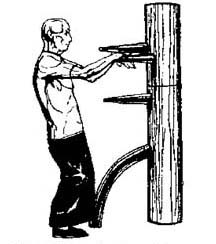
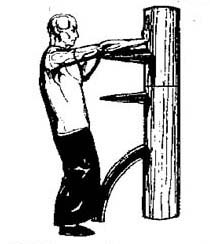
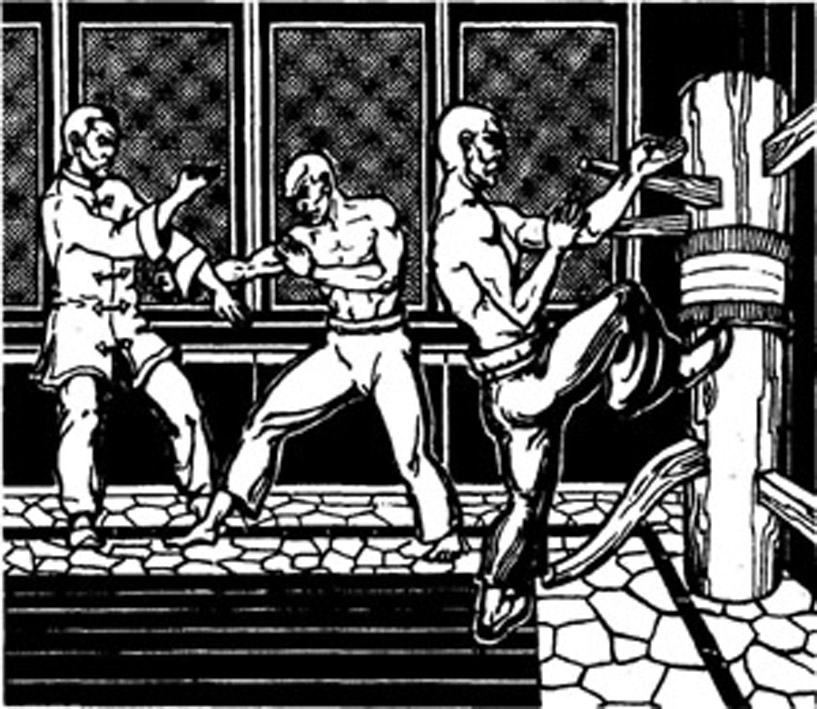
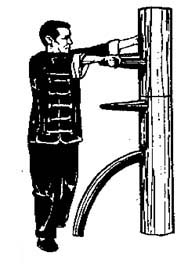
The Dummy - a versatile design, the system of life and knowledge generated of nowhere. The story of the dummy requires a separate investigation and treatment of the ancient treatises, and primary sources. But enough evidence to suggest that the history of a WD the longer of Wing Chun history as an independent style. Will there be a dummy to before create a Wing Chun or Wing Chun has appeared before - difficult to resolve the problem, which requires special studies.
|
| SECTION 1 | ||
![]() |
![]() |
![]() |
![]() |
![]() |
![]() |
![]() |
![]() |
![]() |
![]() |
![]() ![]() |
![]() |
![]() |
![]() |
![]() |
![]() |
![]() ![]() |
![]() |
![]() |
![]() ![]() |
![]() |
![]() |
![]() |
![]() |
![]() |
![]() |
![]() |
![]() |
![]() |
![]() |
| SECTION 2 | ||
![]() |
![]() |
![]() |
![]() |
![]() |
![]() |
![]() |
![]() |
![]() |
![]() |
![]() ![]() |
![]() |
![]() |
![]() |
![]() |
![]() |
![]() ![]() |
![]() |
![]() |
![]() ![]() |
![]() |
![]() |
![]() |
![]() |
![]() |
![]() |
![]() |
![]() |
![]() |
![]() |
| SECTION 3 | ||
![]() |
![]() |
![]() |
![]() |
![]() |
![]() |
![]() |
![]() |
![]() |
![]() |
![]() |
![]() |
![]() |
![]() |
![]() |
![]() |
![]() ![]() |
![]() |
![]() |
![]() |
![]() |
![]() |
![]() |
![]() |
![]() |
![]() ![]() |
![]() |
![]() |
||
| SECTION 4 | ||
![]() |
![]() |
![]() |
![]() |
![]() |
![]() |
![]() |
![]() |
![]() |
![]() |
![]() |
![]() |
![]() |
![]() ![]() |
![]() |
![]() |
![]() |
![]() |
![]() |
![]() |
![]() |
![]() |
![]() |
![]() |
![]() |
![]() |
![]() |
| SECTION 5 | ||
![]() |
![]() ![]() |
![]() |
![]() |
![]() ![]() |
![]() |
![]() |
![]() ![]() |
![]() |
![]() |
![]() ![]() |
![]() |
![]() |
![]() ![]() |
![]() |
![]() |
![]() ![]() |
![]() |
![]() |
![]() |
![]() |
![]() |
![]() |
![]() |
![]() |
![]() |
![]() |
![]() |
![]() |
![]() |
![]() |
![]() |
![]() |
![]() |
![]() |
![]() |
![]() |
![]() |
![]() |
![]() |
![]() |
![]() |
![]() |
![]() |
![]() |
![]() |
![]() |
![]() |
![]() |
![]() ![]() |
![]() |
![]() |
![]() |
![]() |
![]() |
![]() ![]() |
![]() |
![]() |
![]() |
![]() |
![]() |
![]() |
![]() |
![]() |
![]() |
![]() |
| SECTION 6 | ||
![]() |
![]() |
![]() |
![]() |
![]() |
![]() |
![]() |
![]() |
![]() |
![]() |
![]() |
![]() |
![]() |
![]() |
![]() |
![]() |
![]() ![]() |
![]() |
![]() |
![]() |
![]() |
![]() |
![]() ![]() |
![]() |
![]() |
![]() |
![]() |
![]() |
![]() ![]() |
![]() |
![]() |
![]() |
![]() |
![]() |
![]() ![]() |
![]() |
![]() |
![]() |
![]() |
![]() |
![]() |
![]() |
![]() |
![]() |
![]() |
| SECTION 7 | ||
![]() |
![]() |
![]() |
![]() |
![]() |
![]() |
![]() |
![]() |
![]() |
![]() |
![]() ![]() |
![]() |
![]() |
![]() |
![]() |
![]() |
![]() |
![]() |
![]() |
![]() ![]() |
![]() |
![]() |
![]() |
![]() |
![]() |
![]() |
![]() |
![]() |
![]() ![]() |
![]() |
![]() |
![]() |
![]() |
![]() |
![]() ![]() |
![]() |
![]() |
![]() |
![]() |
![]() |
![]() |
![]() |
![]() |
![]() |
![]() |
| SECTION 8 | ||
![]() |
![]() |
![]() |
![]() |
![]() |
![]() |
![]() |
![]() |
![]() |
![]() |
![]() ![]() |
![]() |
![]() |
![]() |
![]() |
![]() |
![]() |
![]() |
![]() |
![]() |
![]() |
![]() |
![]() |
![]() |
![]() |
![]() ![]() |
![]() |
![]() |
![]() |
![]() |
![]() |
![]() |
![]() |
![]() |
![]() ![]() |
![]() |
![]() |
![]() |
![]() |
![]() |
![]() ![]() |
![]() |
![]() |
![]() |
![]() |
![]() |
![]() ![]() |
![]() |
![]() |
![]() |
![]() |
![]() |
![]() ![]() |
![]() |
![]() |
![]() |
![]() |
![]() |
![]() ![]() |
![]() |
![]() |
![]() |
![]() |
![]() |
![]() |
![]() |
![]() |
![]() |
![]() |
![]() |
![]() |
![]() |
![]() |
![]() |
![]() |
To understand why Triangle became such a viral sensation years after its release, one must understand its complex narrative structure.
: You can find the film explained in Hindi and Urdu on platforms like Dailymotion and YouTube , which provide deep dives into its intricate plot and shocking climax.
While the budget was modest, the film's ambition was grand. Director Smith wanted to make a circular film that explored the concept of déjà vu. He drew inspiration from a range of sources, including the Greek myth of Sisyphus (cursed to repeat the same task endlessly) and the nonlinear storytelling of films like Christopher Nolan's Memento (2000). The result is a film that challenges audiences to piece together its puzzle, making it an intense and rewarding experience for those who enjoy a complex narrative. triangle 2009 hindi dubbed 2021
[The Storm] ➔ [The Ocean Liner] ➔ [The Murders] ➔ [The Reset] 🔄
The story begins when a group of friends set sail on a yacht for a seemingly carefree day trip. The group is led by Jess (Melissa George), a single mother struggling with her demanding autistic son, Tommy. From the start, Jess is plagued by a profound sense of déjà vu and dread. Their trip takes a horrific turn when a violent, mysterious storm capsizes their vessel, leaving the survivors to be rescued by a passing ocean liner, the Aeolus. To understand why Triangle became such a viral
Jess, a single mother, goes on a yacht trip with friends. After a mysterious storm capsizes their boat, they board an abandoned ocean liner, only to find themselves hunted by a masked killer and trapped in a repeating cycle of death.
: You may find unofficial Hindi audio tracks or "explained in Hindi" videos on platforms like YouTube or DailyMotion. Official Platforms Director Smith wanted to make a circular film
The ship's name, Aeolus , refers to the father of Sisyphus in Greek mythology. Sisyphus was punished by the gods, forced to roll a boulder up a hill for eternity, only for it to fall back down. Jess is Sisyphus. The Loop Structure
If you've seen "Triangle" or have tips on where to find Hindi dubbed content, share your thoughts in the comments below!