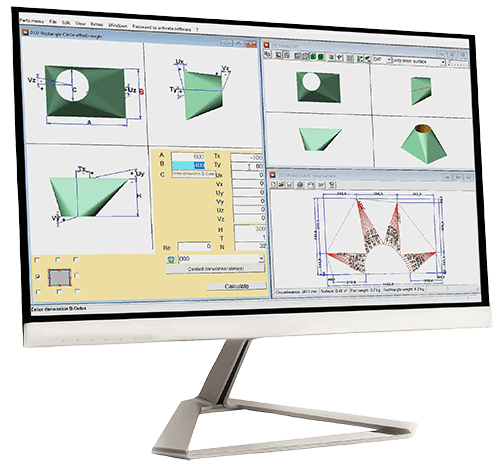






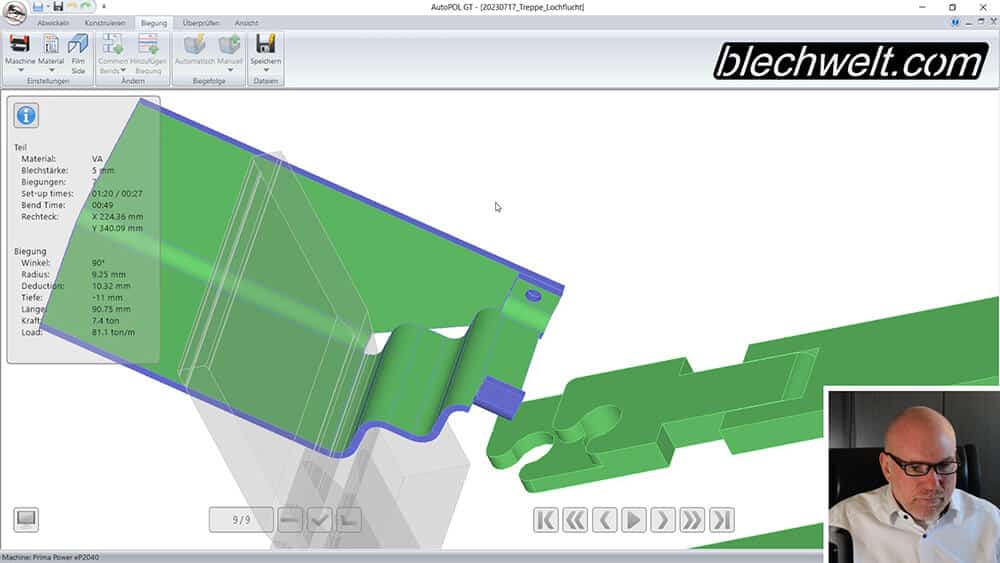
 Biegesimulation | Individuelle Abzugswerte in Excel berechnen

I should define the concept upfront to avoid confusion. Then break down into dimensions: how work is portrayed in media, how media influences work culture, media as workplace entertainment (e.g., office Netflix debates), the labor behind creating popular media (the hidden work), and psychological impacts. A conclusion synthesizing trends (like quiet quitting, great resignation narratives) would tie it together.
Today, the portrayal of work is more fragmented. We see the intense pressure of high-stakes industries ( Suits , Industry ), the comedic mundanity of office life ( The Office ), and the blending of personal life with labor ( Severance ). 2. Key Themes in Popular Work Media
Seeing workplace toxicity on screen confirms personal experiences. Reduces feelings of isolation. Using humor to cope with intense professional stress. Lowers immediate anxiety. Community Comment sections create shared spaces for global workers. Fosters solidarity across industries. Education
If you want to refine this piece, I can expand on specific areas. Let me know if you would like to focus on:
Popular media focuses heavily on the "solopreneur" or the individual creator, promoting the idea that work should be passionate and self-directed.
As technology continues to advance, the relationship between media and the workplace will become even more immersive.
Recognizing the power of media, forward-thinking companies are no longer just passive consumers of content—they are active creators. Organizations build internal and external media empires to engage both their current workforce and potential talent pool. Humanizing the Brand
: Popular media allows us to peak into "closed" worlds—the kitchens of Michelin-star restaurants, the war rooms of political campaigns, or the high-pressure environments of emergency rooms. The Critique of "Hustle Media"
The media employees consume outside of working hours directly influences their behavior, communication styles, and expectations within the office. Popular media serves as both a mirror and a catalyst for corporate culture. The Rise of Corporate "Memetic" Communication
I should define the concept upfront to avoid confusion. Then break down into dimensions: how work is portrayed in media, how media influences work culture, media as workplace entertainment (e.g., office Netflix debates), the labor behind creating popular media (the hidden work), and psychological impacts. A conclusion synthesizing trends (like quiet quitting, great resignation narratives) would tie it together.
Today, the portrayal of work is more fragmented. We see the intense pressure of high-stakes industries ( Suits , Industry ), the comedic mundanity of office life ( The Office ), and the blending of personal life with labor ( Severance ). 2. Key Themes in Popular Work Media
Seeing workplace toxicity on screen confirms personal experiences. Reduces feelings of isolation. Using humor to cope with intense professional stress. Lowers immediate anxiety. Community Comment sections create shared spaces for global workers. Fosters solidarity across industries. Education sexart230809minivamporangeandbluexxx1 work
If you want to refine this piece, I can expand on specific areas. Let me know if you would like to focus on:
Popular media focuses heavily on the "solopreneur" or the individual creator, promoting the idea that work should be passionate and self-directed. I should define the concept upfront to avoid confusion
As technology continues to advance, the relationship between media and the workplace will become even more immersive.
Recognizing the power of media, forward-thinking companies are no longer just passive consumers of content—they are active creators. Organizations build internal and external media empires to engage both their current workforce and potential talent pool. Humanizing the Brand Today, the portrayal of work is more fragmented
: Popular media allows us to peak into "closed" worlds—the kitchens of Michelin-star restaurants, the war rooms of political campaigns, or the high-pressure environments of emergency rooms. The Critique of "Hustle Media"
The media employees consume outside of working hours directly influences their behavior, communication styles, and expectations within the office. Popular media serves as both a mirror and a catalyst for corporate culture. The Rise of Corporate "Memetic" Communication
Software von BLECHWELT in Aktion erleben!
Jetzt Online-Demo vereinbaren ...
HerzRobotics GmbH
Technik & Marketing
Sebastianstraße 38
53115 Bonn
Deutschland
 70629 Stuttgart, Deutschland