

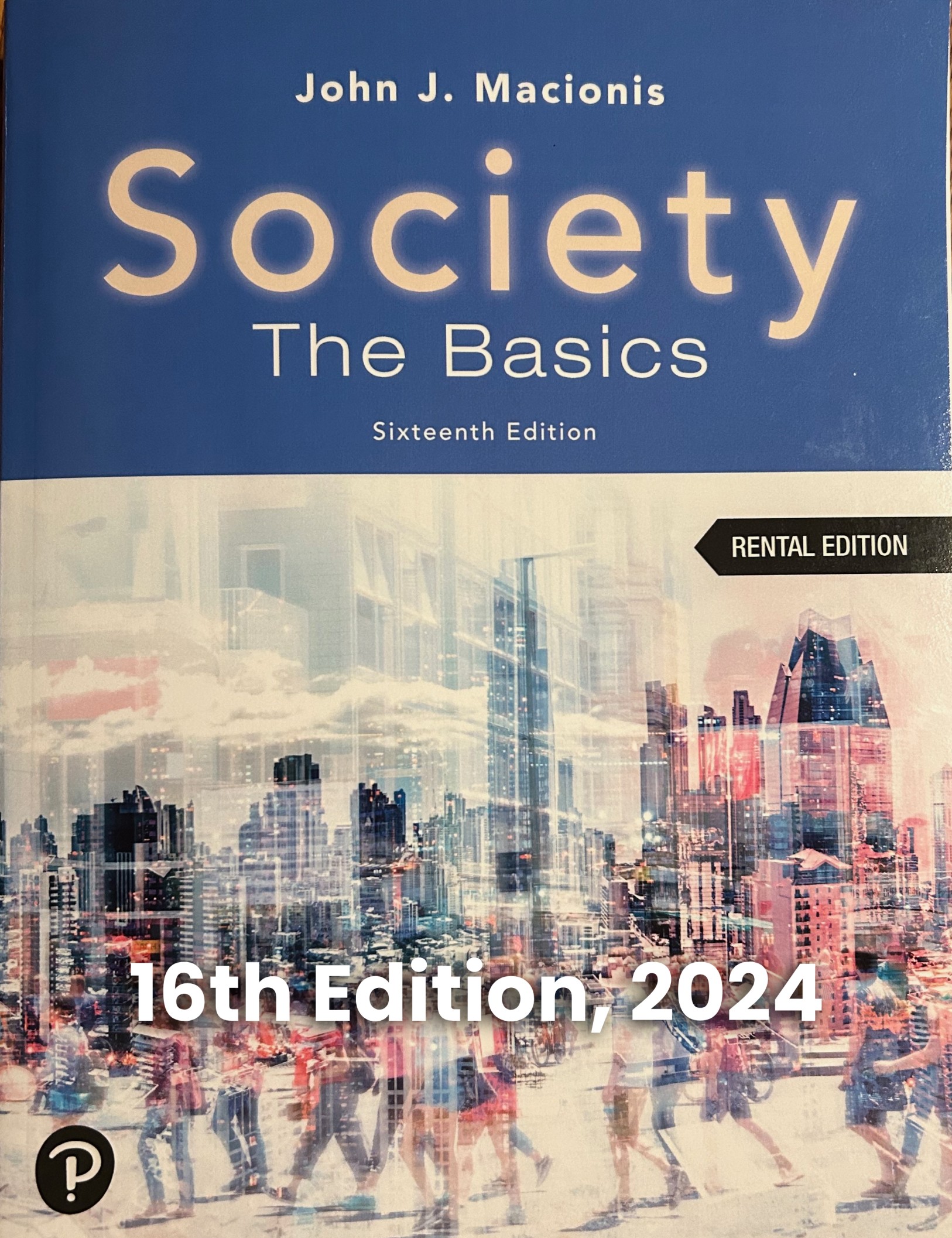
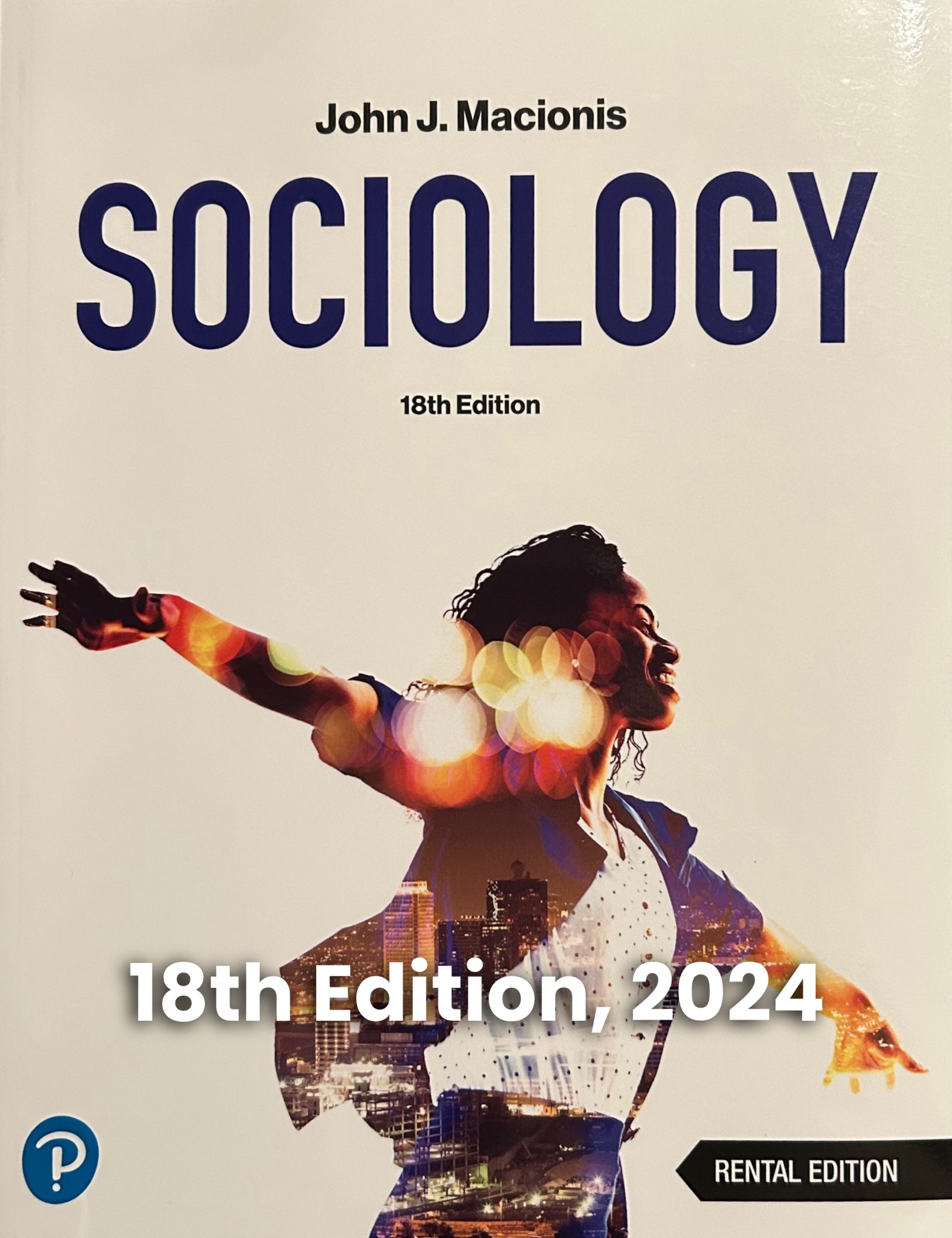
John J. Macionis was born and raised in Philadelphia, Pennsylvania. He began studying engineering at Cornell University before majoring in sociology and earning a bachelor’s degree. John received a doctorate in sociology from the University of Pennsylvania.
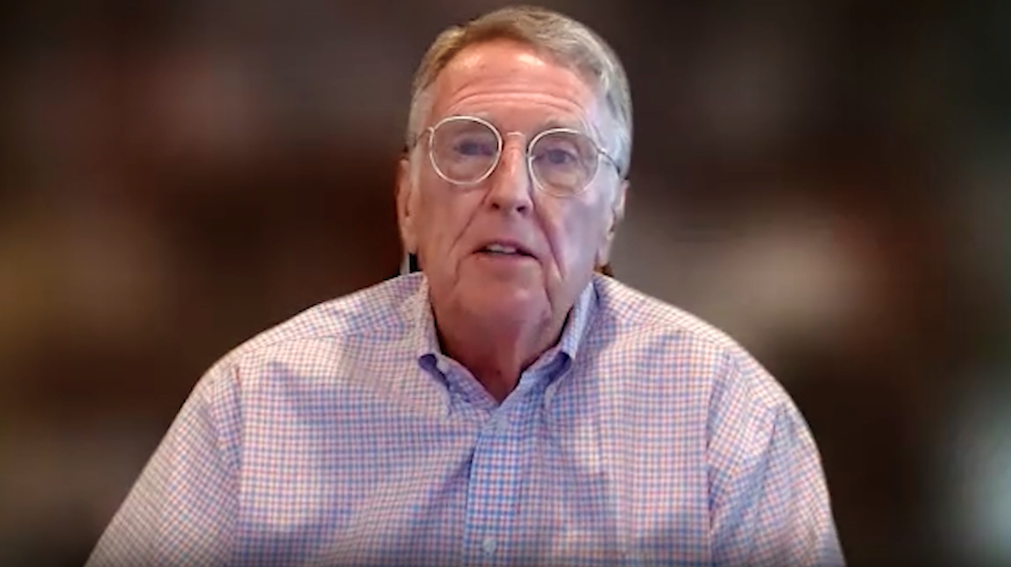

With years of experience across schools, community colleges, and universities, my primary goal has always been to offer the best-in-class material to my colleagues and students. In a rapidly changing world, it’s crucial that textbooks evolve as well. I believe that timely updates to book editions are essential to ensure relevance and accuracy, reflecting new knowledge.



However, recent breakthroughs in mobile hardware capabilities, graphical APIs, and open-source porting projects have drastically changed the landscape. If you are searching for a new Sega Model 3 emulator on Android, here is everything you need to know about the current state of development, how to run these games today, and what the future holds. The Ultimate Challenge of Sega Model 3 Hardware
List you might want to skip Help you find the official Play Store link Let me know how you'd like to start your emulation journey . Share public link
The "new" factor in the Android scene stems from two parallel developments: 1. Advanced Translation Layers
Mid-Range & Modern Handhelds (e.g., Anbernic RG477V / Retroid Pocket)
Developing a Sega Model 3 emulator for Android poses several challenges, including:
Despite progress, Android Model 3 emulation still has drawbacks:
While PC users have enjoyed near-perfect Model 3 emulation via for years, Android users have largely been left in the cold. Old builds were buggy, slow, or required side-loading risky APKs.
To get the most out of your new emulator setup, you will want to tweak the configuration files or in-app menus. Use these guidelines to maximize your framerate:
SUPER3 is the latest, most advanced Sega Model 3 emulator designed exclusively for Android devices. Based on the renowned PC emulator "Supermodel" by trzy, it bridges the gap between high-end arcade hardware and mobile platforms.
For years, emulation on mobile was limited to 8-bit, 16-bit, and early 32-bit consoles. The complex architecture of the Sega Model 3 required significant computing power to emulate properly.
However, recent breakthroughs in mobile hardware capabilities, graphical APIs, and open-source porting projects have drastically changed the landscape. If you are searching for a new Sega Model 3 emulator on Android, here is everything you need to know about the current state of development, how to run these games today, and what the future holds. The Ultimate Challenge of Sega Model 3 Hardware
List you might want to skip Help you find the official Play Store link Let me know how you'd like to start your emulation journey . Share public link
The "new" factor in the Android scene stems from two parallel developments: 1. Advanced Translation Layers sega model 3 emulator android new
Mid-Range & Modern Handhelds (e.g., Anbernic RG477V / Retroid Pocket)
Developing a Sega Model 3 emulator for Android poses several challenges, including: Share public link The "new" factor in the
Despite progress, Android Model 3 emulation still has drawbacks:
While PC users have enjoyed near-perfect Model 3 emulation via for years, Android users have largely been left in the cold. Old builds were buggy, slow, or required side-loading risky APKs. To get the most out of your new
To get the most out of your new emulator setup, you will want to tweak the configuration files or in-app menus. Use these guidelines to maximize your framerate:
SUPER3 is the latest, most advanced Sega Model 3 emulator designed exclusively for Android devices. Based on the renowned PC emulator "Supermodel" by trzy, it bridges the gap between high-end arcade hardware and mobile platforms.
For years, emulation on mobile was limited to 8-bit, 16-bit, and early 32-bit consoles. The complex architecture of the Sega Model 3 required significant computing power to emulate properly.


Here is a forty minute video lecture that examines income inequality beginning with my own Kenyon campus and then investigates broader patterns of inequality in diverse work settings, including education, medicine, and the world of finance. The presentation also contrasts public perceptions to the reality of wealth inequality.