(See instructions for Mobile Devices)
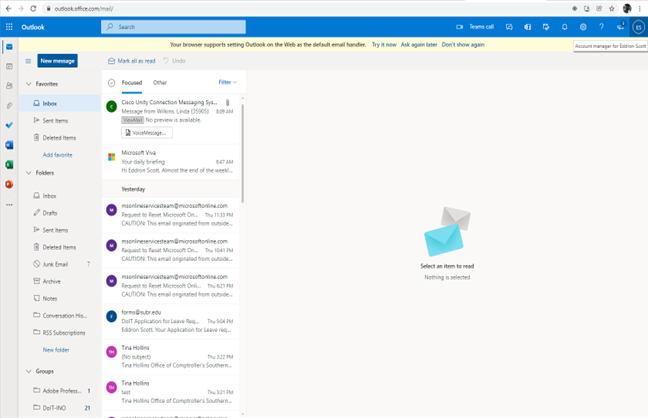
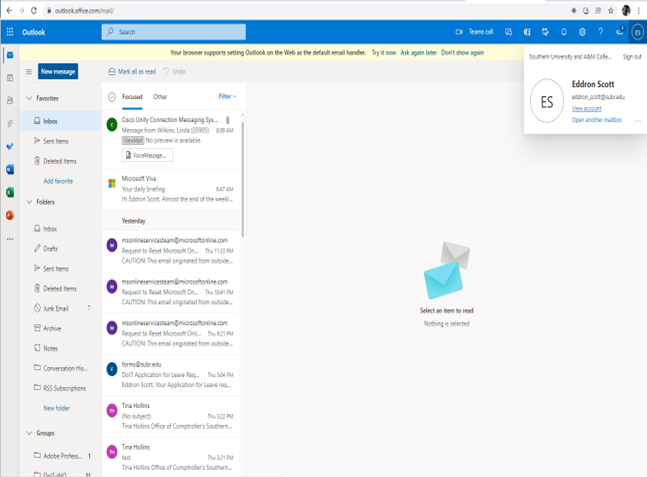
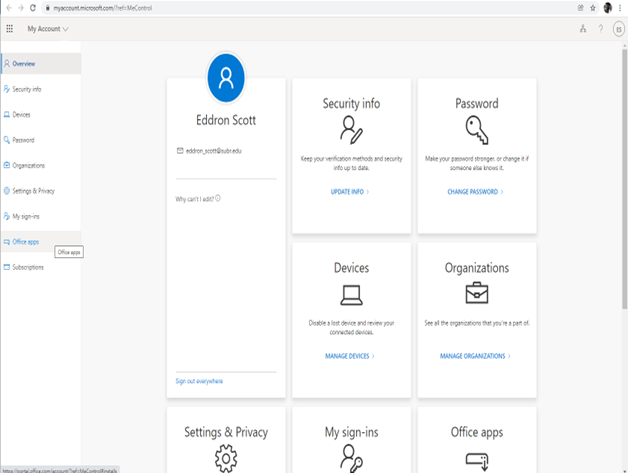
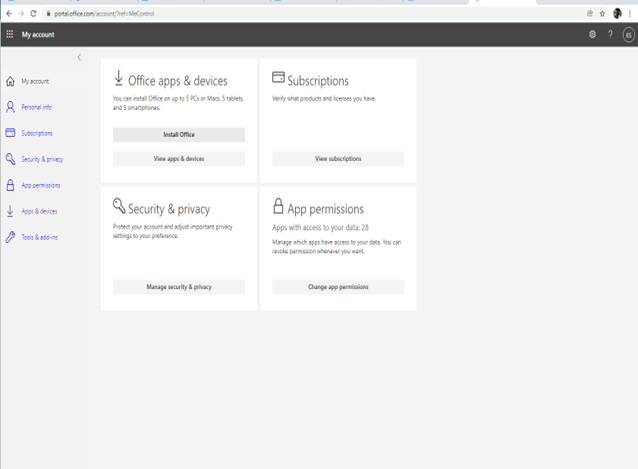
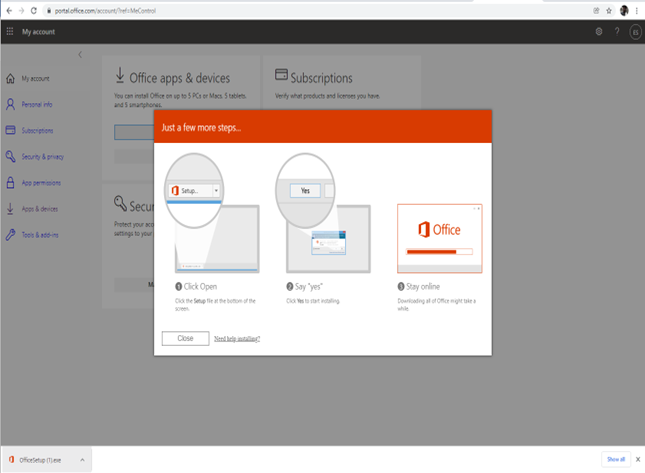
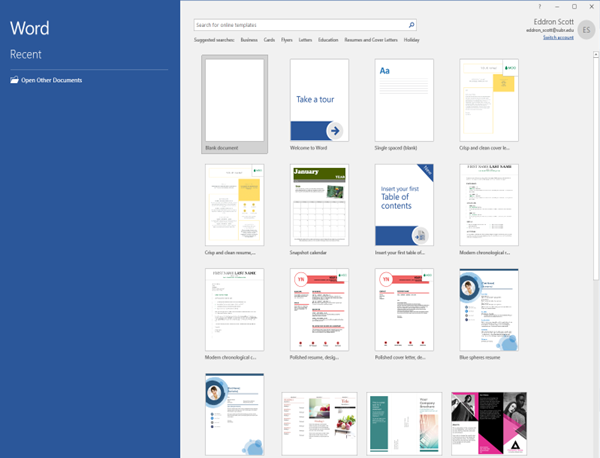
(See instructions for Desktop/Laptop Devices)
The following information should be helpful with setting up your favorite device to access MS Office 365 e-mail:
(Note: During the setup of your device make sure you enter your entire e-mail address (john_doe_00@subr.edu) for the user name or login. For best results when setting up your mobile device, remove any previous SUBR mail profiles prior to following the setup instructions.)
Some users have reported that projects originally programmed with RSLogix 500 version 7.x can cause the PLC to fault and lose memory when online edits are attempted using version 8.x.
: Included the RSLogix Project Migrator , a tool designed to help transition existing SLC 500 or MicroLogix projects to the newer Logix-based platforms (like ControlLogix).
Configure the VM settings to allow "USB Pass-through" for your external USB floppy drive. RSLogix 500 8.10.00 CPR9 w master disk
Deploying RSLogix 500 v8.10.00 CPR9 on modern infrastructure presents distinct challenges, primarily centered around operating system support and legacy activation mechanisms. Windows OS Compatibility
If you are working with legacy SLC 500 or MicroLogix controllers, understanding the nuances of version 8.10.00 and the historical "Master Disk" activation method is essential. What is RSLogix 500 v8.10.00 CPR9? Some users have reported that projects originally programmed
If you need the exact step-by-step instructions for mapping a to bypass physical hardware limitations.
To activate your software using the Master Disk, follow this strict procedure to avoid corrupting the license file: Deploying RSLogix 500 v8
Select the source drive (typically A:\ ) and the target destination drive (typically C:\ ). Click to transfer the activation. Method B: The Virtual Machine (VM) Workaround
: This version was one of the final releases to support the older EVRSI activation method alongside the newer FactoryTalk Activation .
Set the drive to your primary local hard drive (usually C:\ ).
The most stable way to run legacy software like this is within a Virtual Machine (VM) , such as VMware Workstation or VirtualBox, running Windows 7 (32-bit or 64-bit). This separates the software from your main machine, reducing compatibility issues.