Go beyond curated stations
Already using Spotify, TIDAL or Apple Music at home? Easily import your favorite playlists into your fully licensed dealership music account and stay compliant while enjoying full control.
Traditional performance arts like and Noh continue to influence modern storytelling. You can see the DNA of Kabuki’s exaggerated movements and makeup in the character designs of modern video games and the theatricality of Visual Kei rock bands. This bridge between the 17th and 21st centuries gives Japanese culture a sense of continuity that is rare in the West. Challenges and the Digital Future
While anime dominates the box office, live-action Japanese cinema remains a powerhouse of art and genre. Historically, Akira Kurosawa ( Seven Samurai ) redefined the action film for the West (inspiring Star Wars and The Magnificent Seven ). Today, directors like Hirokazu Kore-eda ( Shoplifters ) and Ryusuke Hamaguchi ( Drive My Car ) collect Palme d’Ors and Oscars for their quiet, humanistic dramas.
Never browse streaming sites without a dedicated ad-blocker. Tools like uBlock Origin effectively block malicious scripts, pop-unders, and deceptive download buttons, significantly reducing your risk of accidental infection. Avoid Downloading Unfamiliar File Formats
It's essential to approach the topic of surrogacy with respect and sensitivity. The surrogate mother, intended parents, and child all deserve love, care, and support throughout the journey. jav sub indo dapat ibu pengganti chisato shoda montok link
Japanese television offers a diverse range of programming, from anime and dramas to variety shows and news programs. Anime, in particular, has become a significant part of Japanese popular culture, with shows like "Dragon Ball," "Naruto," and "One Piece" gaining worldwide recognition. Japanese television also features a wide range of variety shows, such as "Terrace House" and "Downtown," which showcase the country's unique blend of humor and entertainment.
: The oldest theatrical forms, focusing on masks, minimalist movement, and Zen-like refinement.
No discussion is complete without mention of Nintendo, Sony, and Sega. Japan is the birthplace of the modern console industry. More than just entertainment, Japanese game design philosophy—characterized by "Mario-like" mechanical purity and the epic melodrama of Final Fantasy —has shaped global childhoods. Traditional performance arts like and Noh continue to
Western heroes are often invincible (Superman) or tragically flawed (Tony Stark). The Japanese hero—from Naruto Uzumaki to Godzilla—often represents Wabi-Sabi : the beauty of imperfection and destruction. Godzilla is not a villain but a force of nature, a walking metaphor for nuclear trauma. The Shonen hero rarely wins through raw power alone; he wins through gaman (perseverance) and nakama (bonding with friends under duress). This resonates in a culture that values collective effort over individual genius.
The industry operates on a "transmedia" model. A story typically debuts as serialized manga in weekly anthologies like Weekly Shonen Jump . If reader feedback is positive (measured via postcard surveys, still a low-tech but revered metric), the series graduates to an anime adaptation. This 'test market' approach minimizes risk. The result is a relentless churn of intellectual property (IP) that has given us global phenomena like Naruto , Attack on Titan , and Demon Slayer —the latter of which broke the Japanese box office record previously held by Spirited Away for nearly two decades.
Known for its elaborate makeup, stylized acting, and all-male casts. Challenges and the Digital Future While anime dominates
Japanese domestic television relies heavily on "Variety Shows." These programs feature panels of celebrities (tarento) reacting to comedy skits, food tastings, travel vlogs, or bizarre physical challenges. A distinct feature of Japanese TV is the "mado" (window)—a picture-in-picture box in the corner of the screen showing live celebrity facial reactions to the broadcasted content. Unique Characteristics of the Industry
Jika Anda mau, saya bisa membantu dengan alternatif yang aman dan sesuai, misalnya:
Old forms persist and remix:
Already using Spotify, TIDAL or Apple Music at home? Easily import your favorite playlists into your fully licensed dealership music account and stay compliant while enjoying full control.
It only takes a few steps to get fully licensed music for your car dealership

Choose one of our plans, tell us about your company, and you're in! Explore all features for 14 days, completely free.
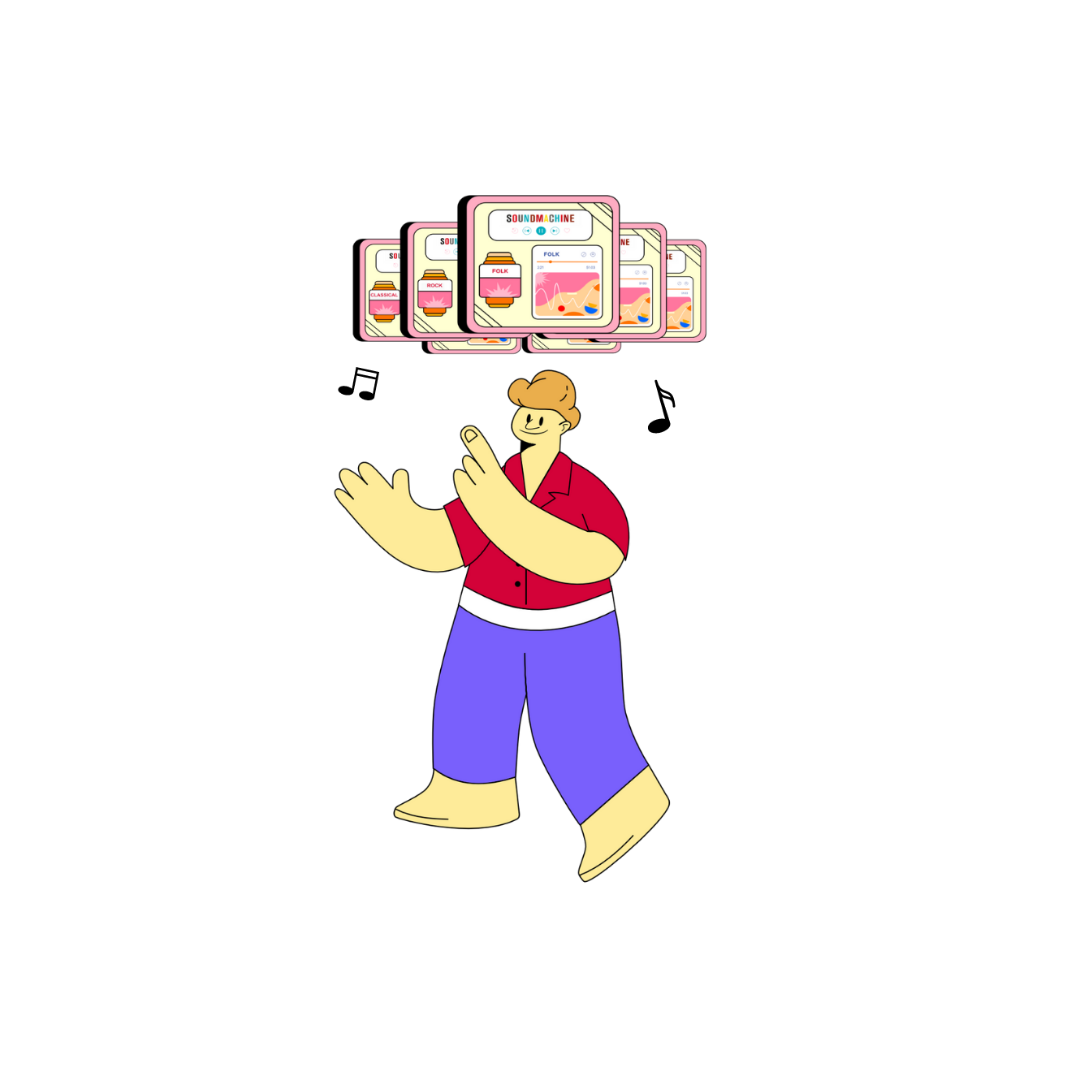
Choose from 500+ stations or import custom playlists from major platforms like Spotify, Apple Music, Youtube, and more.

Schedule stations, custom playlists, or mixes and get attention with promotional messaging.

You’re done! Watch as your car dealership instantly feel more inviting with professional-grade and expertly curated music
What type of music is best for a car dealership?

The best music for car dealerships depends on your brand and clientele. Ambient, instrumental, soft rock or light electronic tracks can create a relaxed and professional environment. Some dealerships may prefer upbeat or modern playlists to energize the space and keep customers engaged.
How can music impact the customer experience?
The right background music helps set the mood, improves customer comfort and can influence how people perceive your dealership. It helps reduce stress, encourages longer visits and creates a more memorable experience that customers associate with your brand.
How loud should the music be in my dealership?
Keep music at a moderate background level, audible enough to enhance the atmosphere without overpowering conversation between staff and customers. It should support a calm, confident shopping experience.
Can I use Spotify, Apple Music or YouTube to play music in my dealership?
No, platforms like Spotify, Apple Music and YouTube are intended for personal use only and are not licensed for commercial settings. To legally play music for car dealership environments, you need a professional service like SoundMachine that includes public performance rights.
Why do dealerships need a music license?
Playing background music in a public setting like a car showroom qualifies as a public performance under copyright law. Without the right license, you could face fines from performance rights organizations. A commercial music subscription covers these legal requirements and keeps your business compliant.
What are performance rights organizations (PROs), and why do they matter?
PROs such as ASCAP, BMI and SESAC represent songwriters and music publishers, ensuring they are paid when their music is played publicly. Using a licensed provider for music for car dealership environments means you do not have to manage these licenses individually.