|
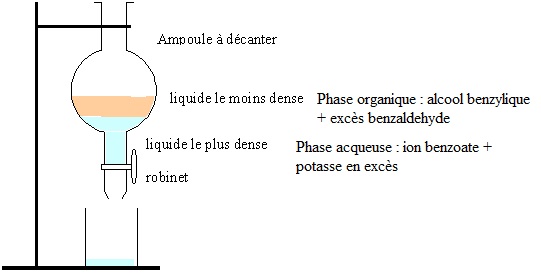
Synthèse de Cannizzaro, bac Métropole 2021. En poursuivant votre navigation sur ce site, vous acceptez l’utilisation de Cookies vous proposant des publicités adaptées à vos centres d’intérêts. ..
..
Sales professionals and digital marketers frequently use Google Dorks to find niche datasets. Finding an exposed spreadsheet can grant immediate access to industry directories, event attendee lists, or corporate contact sheets without paying for expensive database subscriptions. 2. Cybersecurity Auditing and Penetration Testing Disclaimer: This article is for educational purposes regarding search engine capabilities. Users should abide by data privacy laws (like GDPR) and ethical guidelines when accessing publicly indexed data. If you'd like, I can: to protect your own files Attackers can use these lists to conduct targeted phishing attacks (spear-phishing). CRM platforms dumping contact data into temporary public folders. filetype xls inurl emailxls link The search query filetype:xls inurl:emailxls link is a potent example of how advanced operators can be used to uncover specific, often unintended, publicly available data. While useful for legitimate research and OSINT, it serves as a stark reminder for web administrators to secure their data properly. This article dissects every component of this query, explores its legitimate uses, examines the associated risks, and provides a step-by-step guide on how to ethically leverage it. To understand why this specific string is so powerful, you must break down each mechanism within Google Hacking (also known as Google Dorking). CRM platforms dumping contact data into temporary public Within seconds, the researcher had a direct to Alex's private client list. The Lesson At its core, the query filetype xls inurl emailxls link is a precision instrument designed to locate specific files indexed by search engines. The operator filetype:xls instructs the search engine to look specifically for Microsoft Excel spreadsheets. The operator inurl:emailxls narrows this search to URLs that contain the specific string "emailxls," which is often a default filename or a directory name used by automated scripts or content management systems. The final term, link , is a content search keyword, ensuring that the located spreadsheets likely contain hyperlinks or contact information. When combined, these operators strip away the noise of the web, leaving behind a list of spreadsheets that have been inadvertently placed in publicly accessible areas of web servers. : Mass marketing scrapers gather these lists to sell to spam networks, flooding user inboxes with junk mail or attempting identity fraud. automated backup systems Employees frequently upload work files to public-facing websites, temporary file-sharing platforms, or misconfigured cloud storage buckets to work from home or share data quickly with a vendor. This bypasses corporate security controls and leaves corporate data exposed. The Security and Privacy Risks When combined, the query instructs Google to look for Excel files hosted in directories, folders, or file naming paths that explicitly mention "emailxls". Historically, automated backup systems, web forms, and database export scripts have used naming conventions like "emailxls" when saving logs, marketing lists, or user directories to a web server. Why Do These Files Exist on the Public Web? : Filters results to only show legacy Microsoft Excel spreadsheet files.
|
||||||||
|
|
||||||||