…don't search – find!
…don't search – find!
…don't search – find!

You cannot discuss Indian lifestyle without festivals. Unlike Western holidays that last a day, Indian festivals last weeks and involve entire neighborhoods.
India does not need to be exoticized; it needs to be explained with love. The culture is loud, colorful, chaotic, deeply spiritual, and shockingly logical all at once. The creator who captures that paradox will never run out of material.
The most defining characteristic of Indian culture is its pluralism. India is home to nearly every major religion in the world, hundreds of languages, and thousands of dialects. Yet, a shared "Indianness" binds the population. This lifestyle is built on the Vedic philosophy of Vasudhaiva Kutumbakam —the world is one family. 2. The Social Fabric: Family and Community In India, life is rarely lived in isolation.
India is loud. You cannot "hear yourself think" because of the pressure horns, the temple loudspeakers, and the neighbor’s TV. Silence is a luxury. Therefore, solitude is found not in quiet, but in crowded temples or the chaos of a railway station.
There is a growing movement back to "slow living." Young Indians are rediscovering traditional crafts, organic farming, and sustainable fashion, bridging the gap between ancestral wisdom and modern environmentalism. Conclusion
Indian festivals are an integral part of its cultural calendar. With colorful processions, vibrant decorations, and mouth-watering delicacies, festivals like Diwali, Holi, Navratri, and Eid are celebrated with great enthusiasm and fervor. These events bring people together, promoting a sense of community and social bonding.
It is the high-tech engineer who will not board a flight without consulting the astrologer. It is the vegan influencer who will happily drink cow urine (Gomutra) for health. It is the luxury car in the driveway and the chaiwala (tea seller) knocking on the window.
While nuclear families are rising in cities, the concept of the joint family remains the cultural operating system. It is not uncommon for grandparents, parents, and children to live under one roof. This structure dictates major life decisions—from career choices to marriages. The phrase "Atithi Devo Bhava" (The guest is God) is a lived reality; hospitality is reflexive, not performative.

Let's be blunt: Traditional document management is a time-sink and a headache. Searching for files is inefficient, physical storage is costly, and the risk of losing important information is always present. You might be thinking, “Okay, but why open-source? What’s the catch?” Here’s the good news: there isn’t one. Using an open-source DMS is like getting a five-star meal without the bill. It saves you time, cuts storage costs, and packs powerful features—all for free. Here’s why it’s worth a closer look:
A DMS solves these problems. But why choose an open-source DMS? Here's the breakdown:
No Price Tag, Big Value: Forget hefty license fees or per-document charges. Open-source DMS are free to download and use, whether you’re a solo user or a growing company. Need support? It’s usually affordable, thanks to clever developers reusing existing tools. desi marathi village girl pissing open wmv 2021
Total Flexibility: Want your DMS to sync with your ERP or accounting software? With open-source code, you can tweak it yourself—no expensive consultants required. It’s your system, your rules.
Low Stakes, High Rewards: New to digital document management? Open-source lets you dip your toes in without drowning in costs. If it doesn’t work out, you’ve lost nothing but a little time. You cannot discuss Indian lifestyle without festivals
Simply put, an open-source DMS gives you control, saves you money, and works just as hard as those pricey proprietary systems. Small businesses love it, big teams swear by it, and even private users can organize their home files for free. So, why not give it a shot?
Are you interested in the basic functions of a DMS? Take a look at our video, where we demonstrate simple actions within a system. The culture is loud, colorful, chaotic, deeply spiritual,

The world of open-source DMS is buzzing with choices. Here’s a quick peek at some popular players:
Each has its own advantages, from slick interfaces to specialized features. But since every company (or home office) is different, we won’t bore you with a one-size-fits-all comparison. The trick is picking the one that matches your needs—which brings us to the next big question.
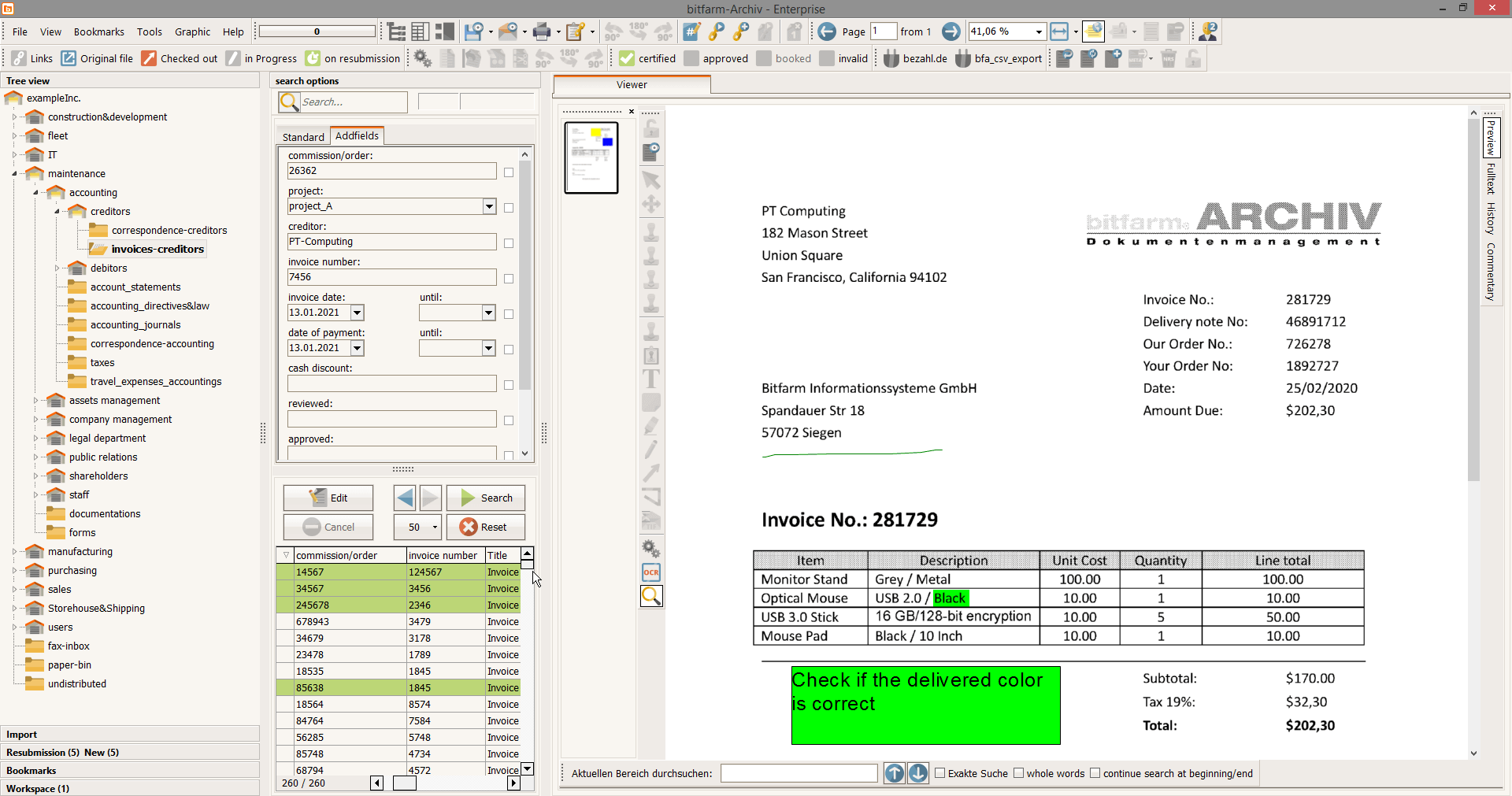
Finding the right open-source DMS isn’t about grabbing the shiniest toy off the shelf. It’s about what fits your workflow, your team, and your goals. To make it easy, we’ve rounded up six key criteria that matter to almost everyone. Let’s dive into each one—don’t worry, we’ll keep it simple and fun.

You cannot discuss Indian lifestyle without festivals. Unlike Western holidays that last a day, Indian festivals last weeks and involve entire neighborhoods.
India does not need to be exoticized; it needs to be explained with love. The culture is loud, colorful, chaotic, deeply spiritual, and shockingly logical all at once. The creator who captures that paradox will never run out of material.
The most defining characteristic of Indian culture is its pluralism. India is home to nearly every major religion in the world, hundreds of languages, and thousands of dialects. Yet, a shared "Indianness" binds the population. This lifestyle is built on the Vedic philosophy of Vasudhaiva Kutumbakam —the world is one family. 2. The Social Fabric: Family and Community In India, life is rarely lived in isolation.
India is loud. You cannot "hear yourself think" because of the pressure horns, the temple loudspeakers, and the neighbor’s TV. Silence is a luxury. Therefore, solitude is found not in quiet, but in crowded temples or the chaos of a railway station.
There is a growing movement back to "slow living." Young Indians are rediscovering traditional crafts, organic farming, and sustainable fashion, bridging the gap between ancestral wisdom and modern environmentalism. Conclusion
Indian festivals are an integral part of its cultural calendar. With colorful processions, vibrant decorations, and mouth-watering delicacies, festivals like Diwali, Holi, Navratri, and Eid are celebrated with great enthusiasm and fervor. These events bring people together, promoting a sense of community and social bonding.
It is the high-tech engineer who will not board a flight without consulting the astrologer. It is the vegan influencer who will happily drink cow urine (Gomutra) for health. It is the luxury car in the driveway and the chaiwala (tea seller) knocking on the window.
While nuclear families are rising in cities, the concept of the joint family remains the cultural operating system. It is not uncommon for grandparents, parents, and children to live under one roof. This structure dictates major life decisions—from career choices to marriages. The phrase "Atithi Devo Bhava" (The guest is God) is a lived reality; hospitality is reflexive, not performative.


Are you interested in more information around the topic of documentation management (open source)?

"The growth of the last few years would not have been possible without bitfarm-Archiv."