This public link is valid for 7 days and shares a thread, including any personal information you added. This link or copies made by others cannot be deleted. If you share with third parties, their policies apply. Can’t copy the link right now. Try again later.
This paper addresses three central questions: (1) How did the transgender community emerge alongside, yet distinct from, gay and lesbian liberation? (2) What ideological barriers have historically prevented full integration? (3) In the current era of heightened visibility, is a unified LGBTQ culture possible or desirable?
Pioneered by Black and Latine trans women and queer youth in Harlem during the late 20th century, ballroom culture created "houses" that served as alternative families. This culture gave birth to voguing, runway categories, and linguistic terms like "spilling tea," "throwing shade," and "work."
Transgender individuals frequently face targeted legislation regarding access to gender-affirming healthcare, restrictions on updating legal documents, and bans from participating in sports categories aligned with their gender identity.
To help me tailor future insights or deep dives into this topic,
By honoring the radical history of trans activists and continuing to dismantle rigid binary expectations, the LGBTQ+ movement moves closer to its foundational goal: a world where everyone can live authentically and safely in their truth.
Transgender individuals often face severe barriers to accessing gender-affirming care, which major medical organizations recognize as life-saving and necessary.
The LGBTQ community has made significant strides in recent years in terms of visibility, acceptance, and legal rights. However, within this community, the transgender population has often been overlooked or marginalized. The transgender community encompasses individuals who identify as male, female, or non-binary, and whose gender identity may not align with the sex they were assigned at birth.
Despite significant cultural progress, the transgender community continues to face disproportionate systemic obstacles that require urgent advocacy and structural reform. Legislative Battles
Transgender individuals have profoundly influenced broader LGBTQ+ culture, which in turn has shaped global pop culture, language, and fashion.
While gay liberation sought to depathologize homosexuality (removed from DSM in 1973), trans people remained pathologized under “Gender Identity Disorder” until 2013 (DSM-5’s “Gender Dysphoria”). This created a transactional relationship: trans people needed medical institutions; gay people did not. Consequently, gay bars and advocacy groups often prioritized cisgender (non-trans) concerns, leaving trans individuals to build parallel infrastructures—such as the trans-specific San Francisco Transgender Film Festival and Camp Trans (a protest against the Michigan Womyn’s Music Festival’s trans-exclusionary policy).
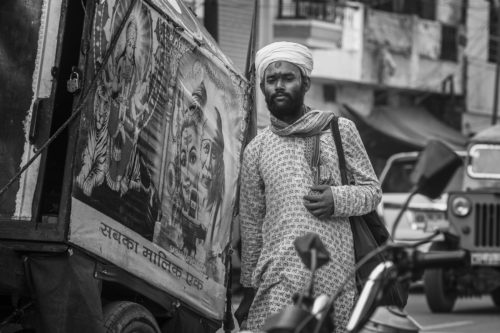
: A third-gender community in India and Pakistan with a long historical and legal presence.