While newer versions of the Bagan keyboard may offer some improvements, they also have several drawbacks. One of the main issues is the changes to the layout, which can be confusing for users who have grown accustomed to the old version. For example, some newer versions have moved the location of certain keys, which can lead to typos and errors.
Legacy versions often lack these aggressive monetization strategies. Users prefer the uninterrupted workflow provided by an ad-free, older installation file. Predictive Text and Autocorrect Behavior
To better illustrate the debate, here is a clear comparison between the old version (v0.9.3) and the current version (v14.55) of Bagan Keyboard.
Bagan Keyboard is the most popular typing tool for Myanmar languages. It revolutionized digital communication for millions of users. However, recent updates have left a large segment of the community frustrated. Many users actively hunt for older versions of the app. They claim the original experience was superior. This article explores why the old version of Bagan Keyboard remains highly sought after. 1. Minimalistic Interface and Speed
The most common complaint regarding newer updates is monetization. To sustain development, recent versions introduce heavy ad integration.
It avoids aggressive auto-correct issues found in AI-driven updates. 4. Perfect Compatibility with Older Android Devices
Over the years, the app has evolved significantly, adding features like voice typing, shortcut phrases, and support for Shan, Mon, and Thai languages.
There is a significant portion of the Bagan Keyboard user base that expresses a strong preference for older versions of the application. The sentiment "old version all better" typically stems from perceptions of better performance, simpler user interfaces, and the absence of intrusive modern features. This report details why older versions are perceived as superior, the specific versions sought after, and the risks associated with downgrading.
By following these tips and using the old version of the Bagan keyboard, you can enjoy efficient and accurate typing in the Burmese language.
geom
ggplot2 builds charts through layers using
geom_ functions. Here is a list of the different
available geoms. Click one to see an example using it.
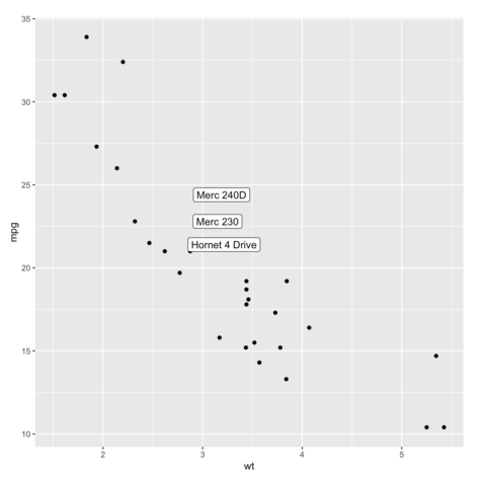
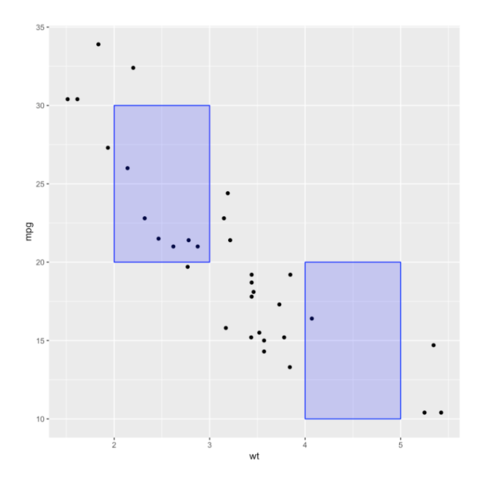
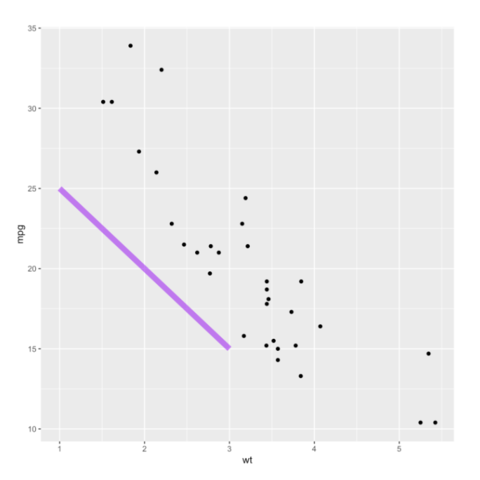
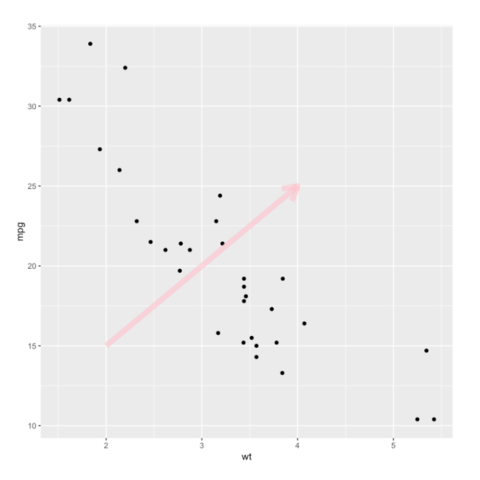
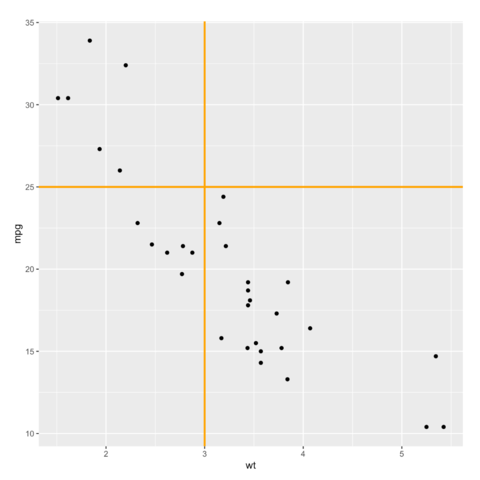
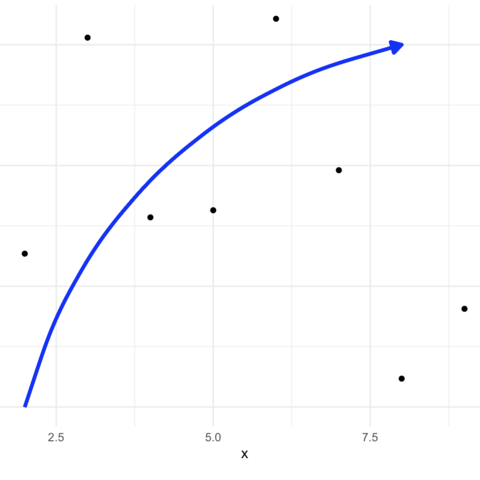
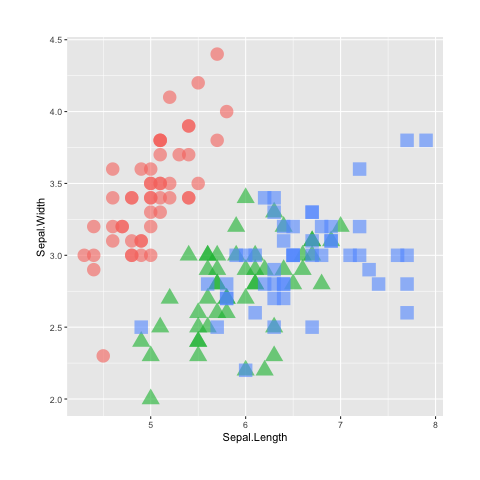
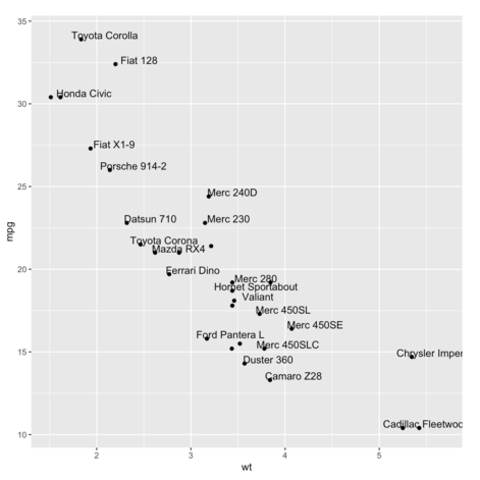
Annotation is a
key step
in data visualization. It allows to highlight the main message of the
chart, turning a messy figure in an insightful medium.
ggplot2 offers many function for this purpose, allowing
to add all sorts of text and shapes.
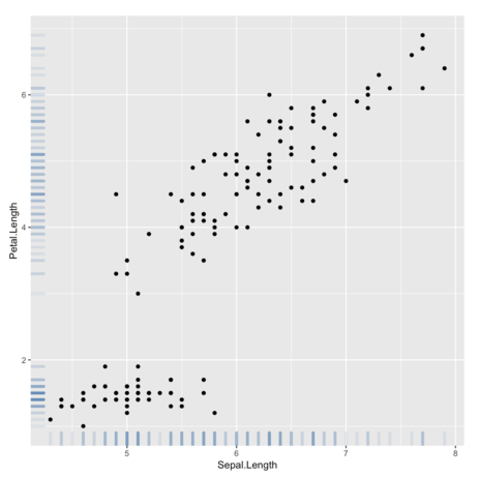
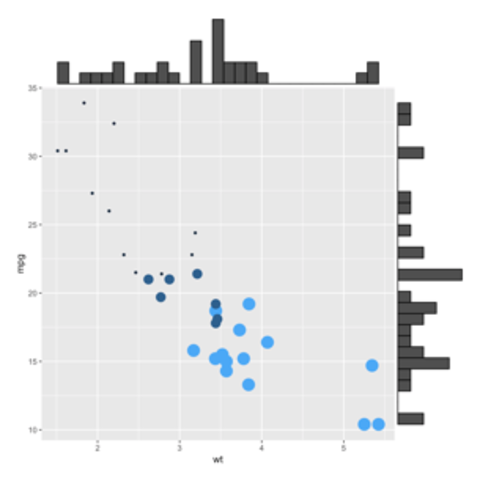
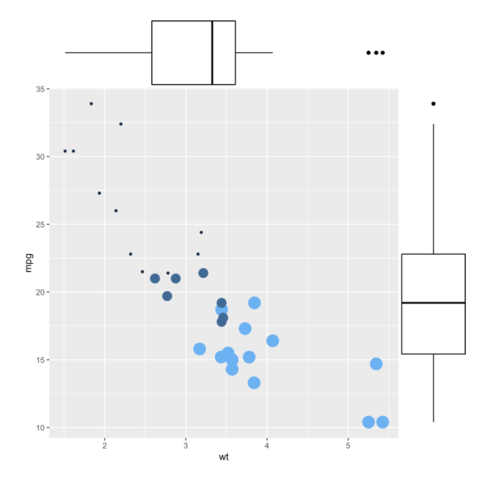
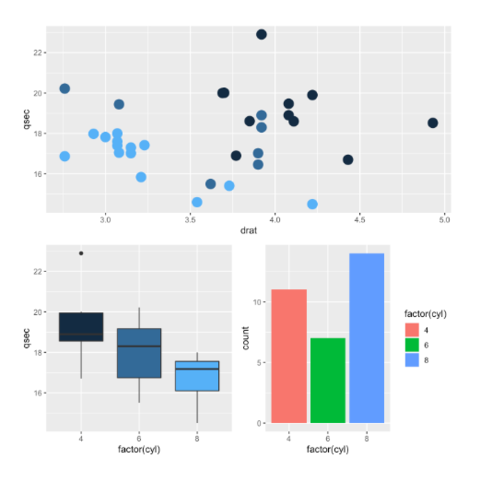
Marginal plots are not natively supported by ggplot2, but
their realisation is straightforward thanks to the
ggExtra library as illustrated in
graph #277.
ggplot2 chart appearance
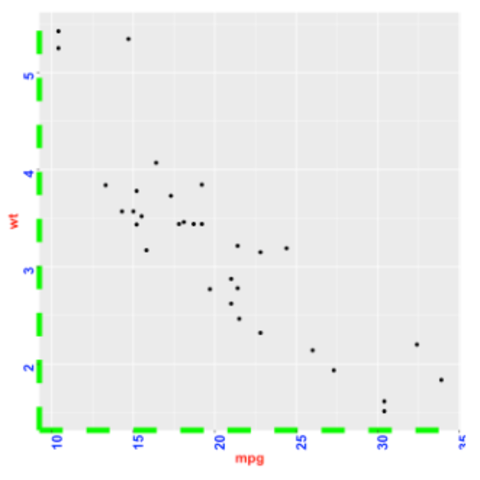
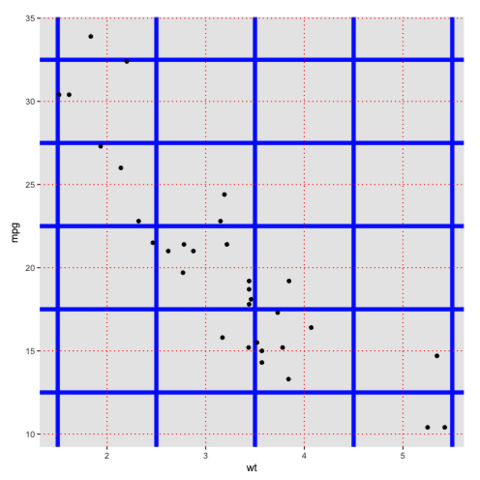
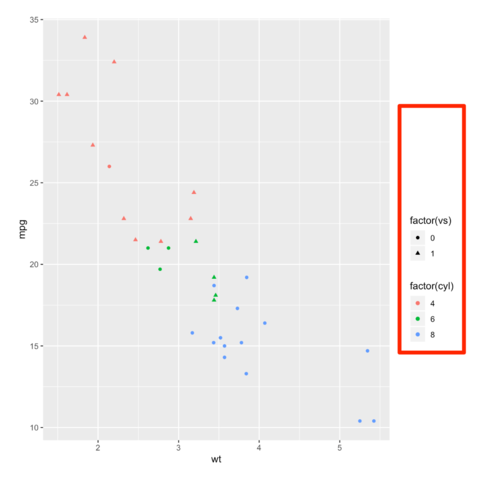
The theme() function of ggplot2 allows to
customize the chart appearance. It controls 3 main types of
components:
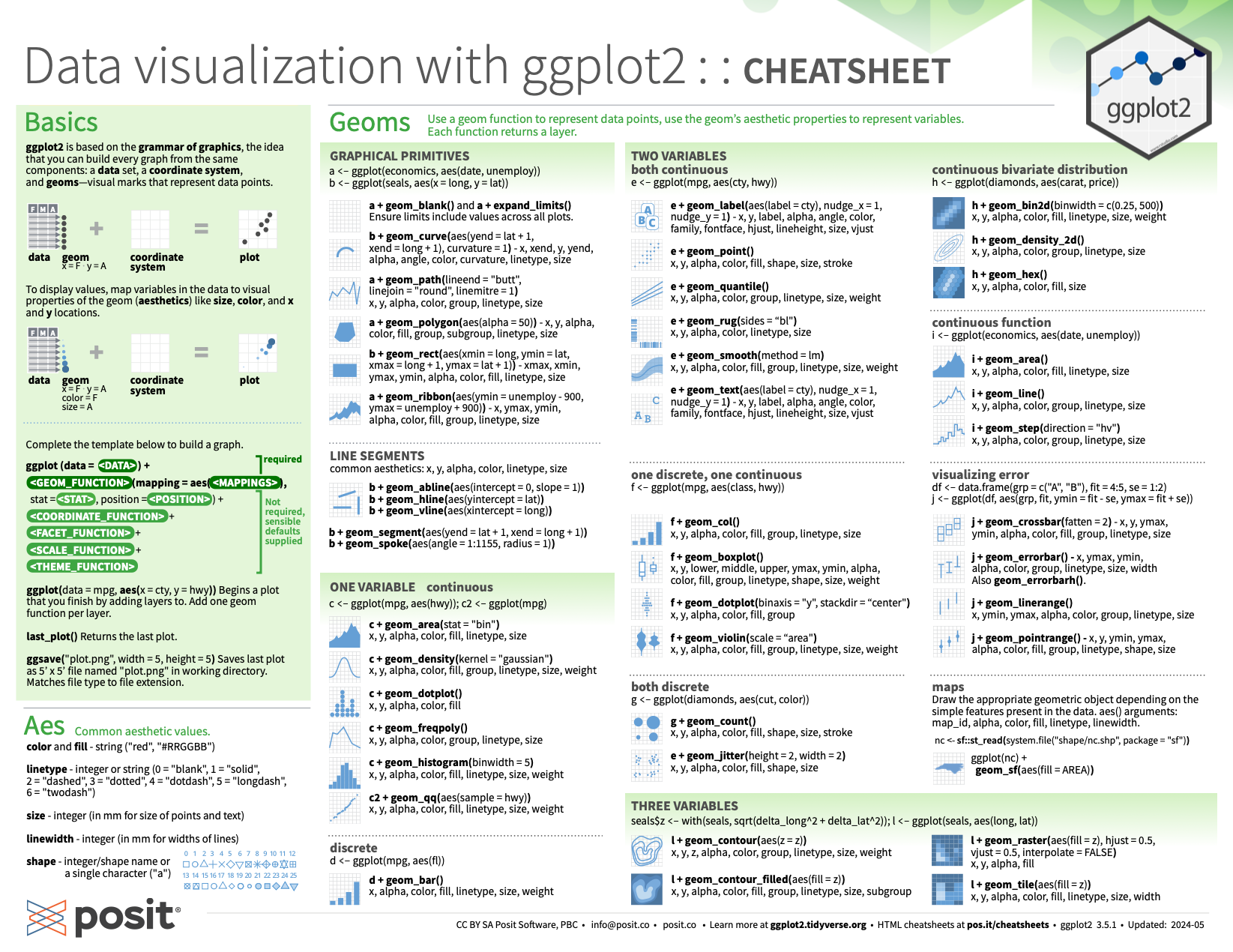
Here’s the official ggplot2 cheatsheet created by Posit. It covers all the key concepts of the library.
I've also compiled it with the most useful R and data visualization cheatsheets into a single PDF you can download:
ggplot2
A cheatsheet for quickly recalling the key functions and arguments of the ggplot2 library.
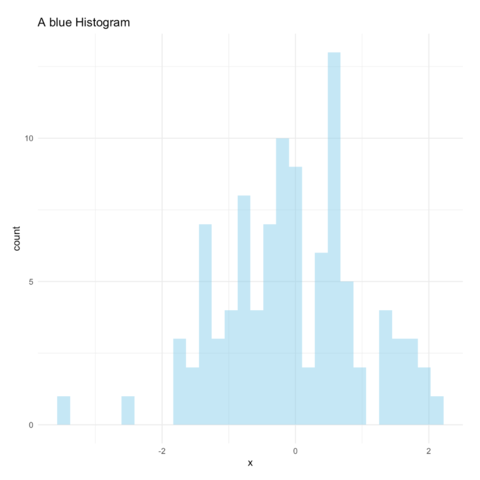
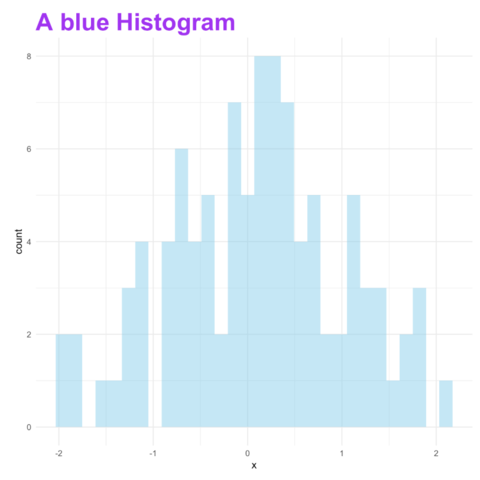
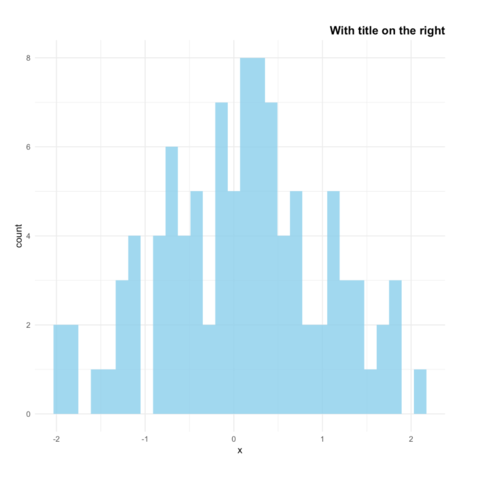
ggplot2 title
The ggtitle() function allows to add a title to the
chart. The following post will guide you through its usage, showing
how to control title main features: position, font, color, text and
more.
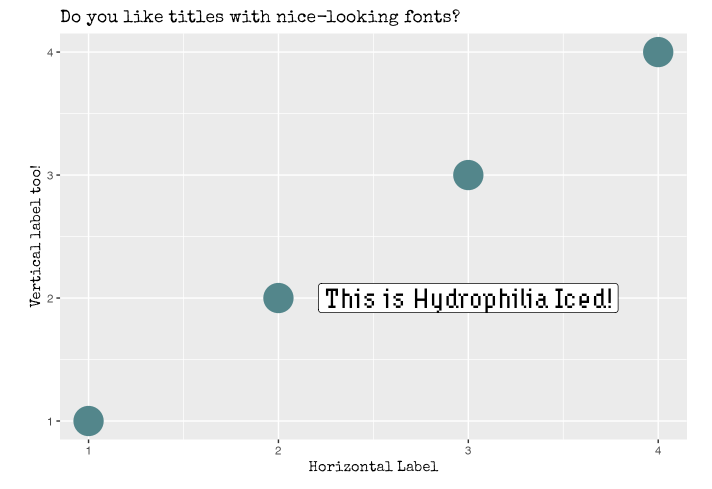
ggplot2
If you don't want your plot to look like any others, you'll definitely
be interested in using custom fonts for your title and labels! This is
totally possible thanks to 2 main packages: ragg and
showtext. The
blog-post below
should help you using any font in minutes.
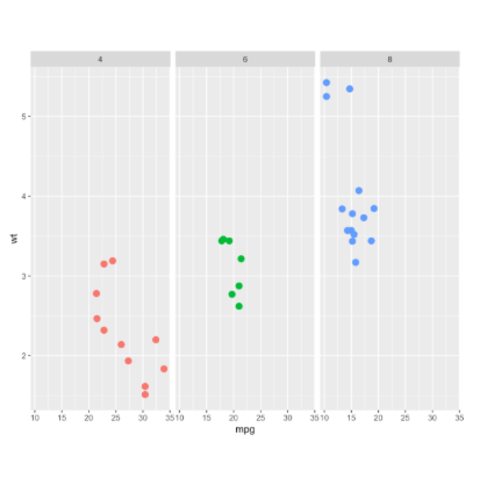
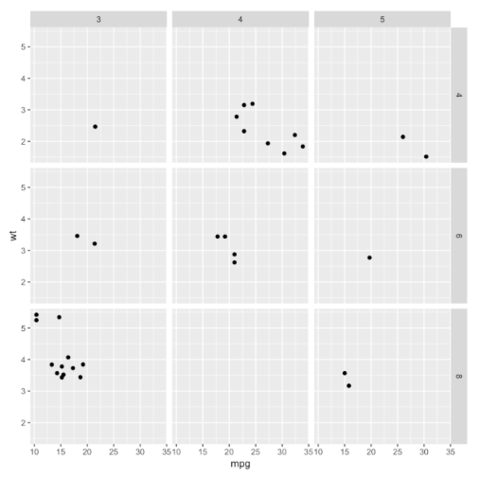
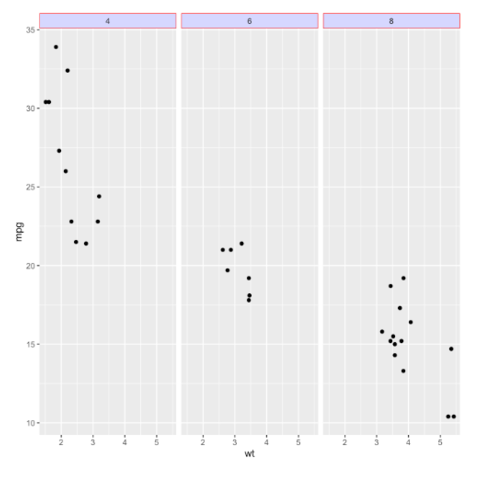
facet_wrap() and
facet_grid()
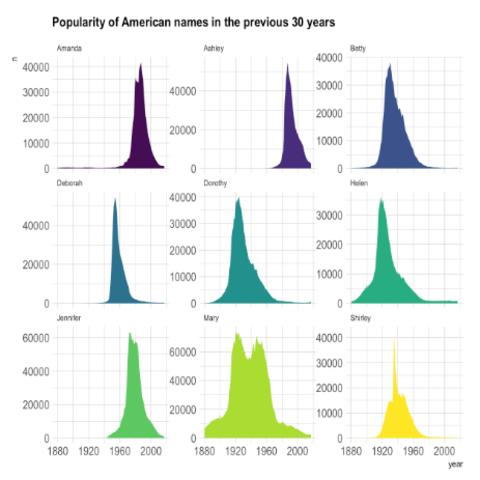
Small multiples is a very powerful dataviz technique. It split the
chart window in many small similar charts: each represents a specific
group of a categorical variable. The following post describes the main
use cases using facet_wrap() and
facet_grid() and should get you started quickly.
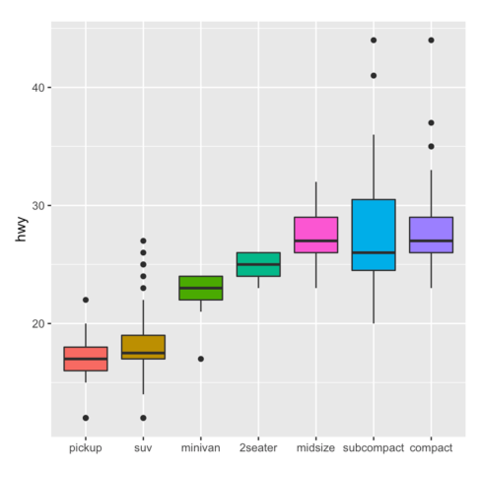
It is possible to customize any part of a ggplot2 chart
thanks to the theme() function. Fortunately, heaps of
pre-built themes are available, allowing to get a good style with one
more line of code only. Here is a glimpse of the available themes.
See code
While newer versions of the Bagan keyboard may offer some improvements, they also have several drawbacks. One of the main issues is the changes to the layout, which can be confusing for users who have grown accustomed to the old version. For example, some newer versions have moved the location of certain keys, which can lead to typos and errors.
Legacy versions often lack these aggressive monetization strategies. Users prefer the uninterrupted workflow provided by an ad-free, older installation file. Predictive Text and Autocorrect Behavior
To better illustrate the debate, here is a clear comparison between the old version (v0.9.3) and the current version (v14.55) of Bagan Keyboard.
Bagan Keyboard is the most popular typing tool for Myanmar languages. It revolutionized digital communication for millions of users. However, recent updates have left a large segment of the community frustrated. Many users actively hunt for older versions of the app. They claim the original experience was superior. This article explores why the old version of Bagan Keyboard remains highly sought after. 1. Minimalistic Interface and Speed
The most common complaint regarding newer updates is monetization. To sustain development, recent versions introduce heavy ad integration.
It avoids aggressive auto-correct issues found in AI-driven updates. 4. Perfect Compatibility with Older Android Devices
Over the years, the app has evolved significantly, adding features like voice typing, shortcut phrases, and support for Shan, Mon, and Thai languages.
There is a significant portion of the Bagan Keyboard user base that expresses a strong preference for older versions of the application. The sentiment "old version all better" typically stems from perceptions of better performance, simpler user interfaces, and the absence of intrusive modern features. This report details why older versions are perceived as superior, the specific versions sought after, and the risks associated with downgrading.
By following these tips and using the old version of the Bagan keyboard, you can enjoy efficient and accurate typing in the Burmese language.