The technical breakdown below explains exactly what this file name means, why the "TrashMan" version reigns supreme over alternative dumps, and how it serves as the foundation for the entire modern Pokémon ROM hacking ecosystem. Decoding the Name: What is "1986 Pokemon Emerald U"?
: Modders use hash verification tools to ensure their file matches the exact standard SHA-256 signature, proving it is untampered with.
Avoid the common "white screen" or save corruption issues found in sloppy, older dumps. 1986 pokemon emerald u aka trashman emerald better
The “Trashman” nickname comes from the game’s most infamous feature: wild encounters are completely nonsensical. You will find a Level 2 Groudon on Route 101. You will battle a “?” (Missingno.) that knows Transform and Fissure. You will enter a trainer battle against a PokéFan who somehow commands a Deoxys. The game’s internal logic—the carefully curated food chain of Rattatas and Poochyenas—is replaced by the beautiful chaos of a broken randomizer.
“Let’s start with the basics,” Trashman said, pulling out a small, rusted shovel that seemed to hum with energy. “We’ll use the Trashman's Trash Can—my trusty companion—to collect and recycle. And your Pokémon can help too.” The technical breakdown below explains exactly what this
The "1986 - Pokémon Emerald (U)(TrashMan).gba" may have a strange and humble name, but its reputation as an essential, even "better," base is well-earned. It is not the most glamorous or flashy part of the Pokémon ROM hacking world, but it is arguably the most important. Like the structural foundations of a skyscraper, its quality is rarely seen, but it supports everything built on top.
To help narrow down your next steps with this ROM base, let me know: Avoid the common "white screen" or save corruption
Over the years, the term "trashman" has also evolved into a verb within the hacking community. It now refers to the process of , stripping away "garbage data" like unused debug features, demo code, or other unnecessary files that take up space without contributing to the core game. This "trashing" process results in a leaner, more stable file that serves as a superior foundation for modifications.
The Trashman version is prized because it is a "clean" 1:1 copy, ensuring that when you apply a patch, every line of code matches exactly what the developer intended. Why "Better" Means "Clean"
The ROM is universally recognized by the Game Boy Advance emulation community as the absolute gold standard and definitive vanilla base for playing and patching Gen 3 Pokémon games. The label "1986" represents its release index number in historical GBA scene release lists, "(U)" confirms it is the official United States/North American version, and "TrashMan" is the name of the original scene release group that dumped the data directly from the retail cartridge.
The prevailing theory among bootleg archivists: “Trashman Emerald Better” was a deliberate art project from the mid-2000s — a commentary on the commercialization of Pokémon remakes. But no one has ever come forward to claim credit.
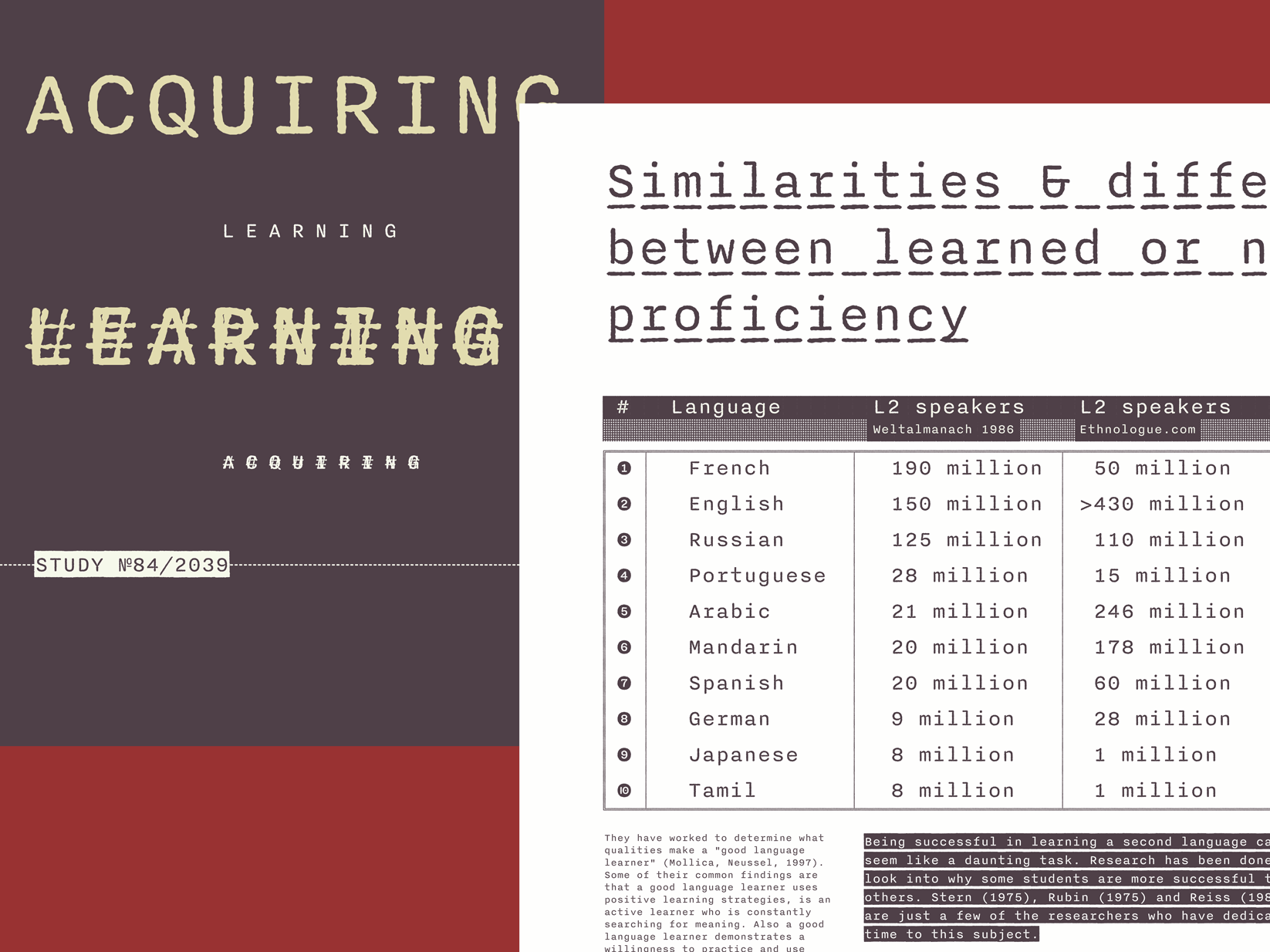
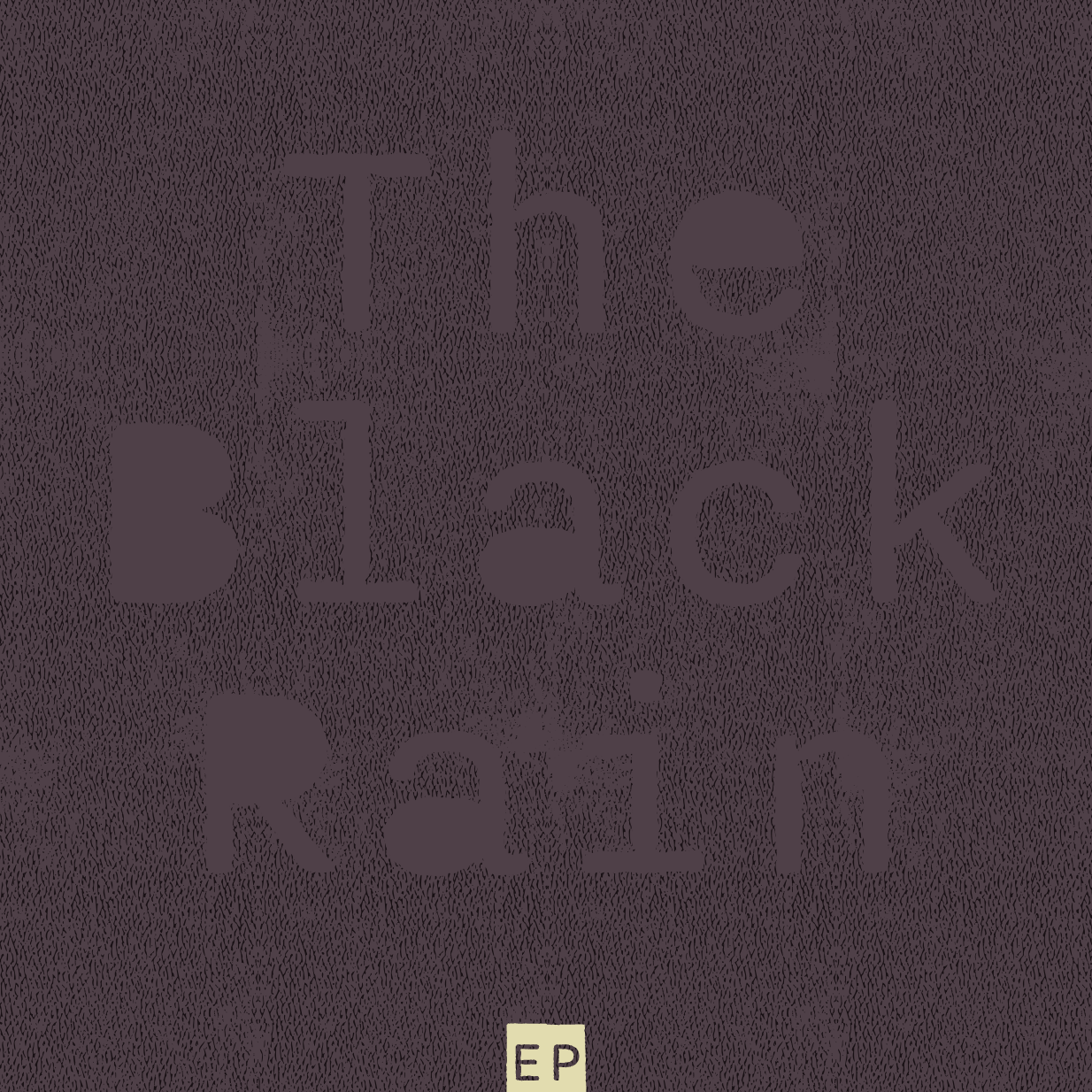
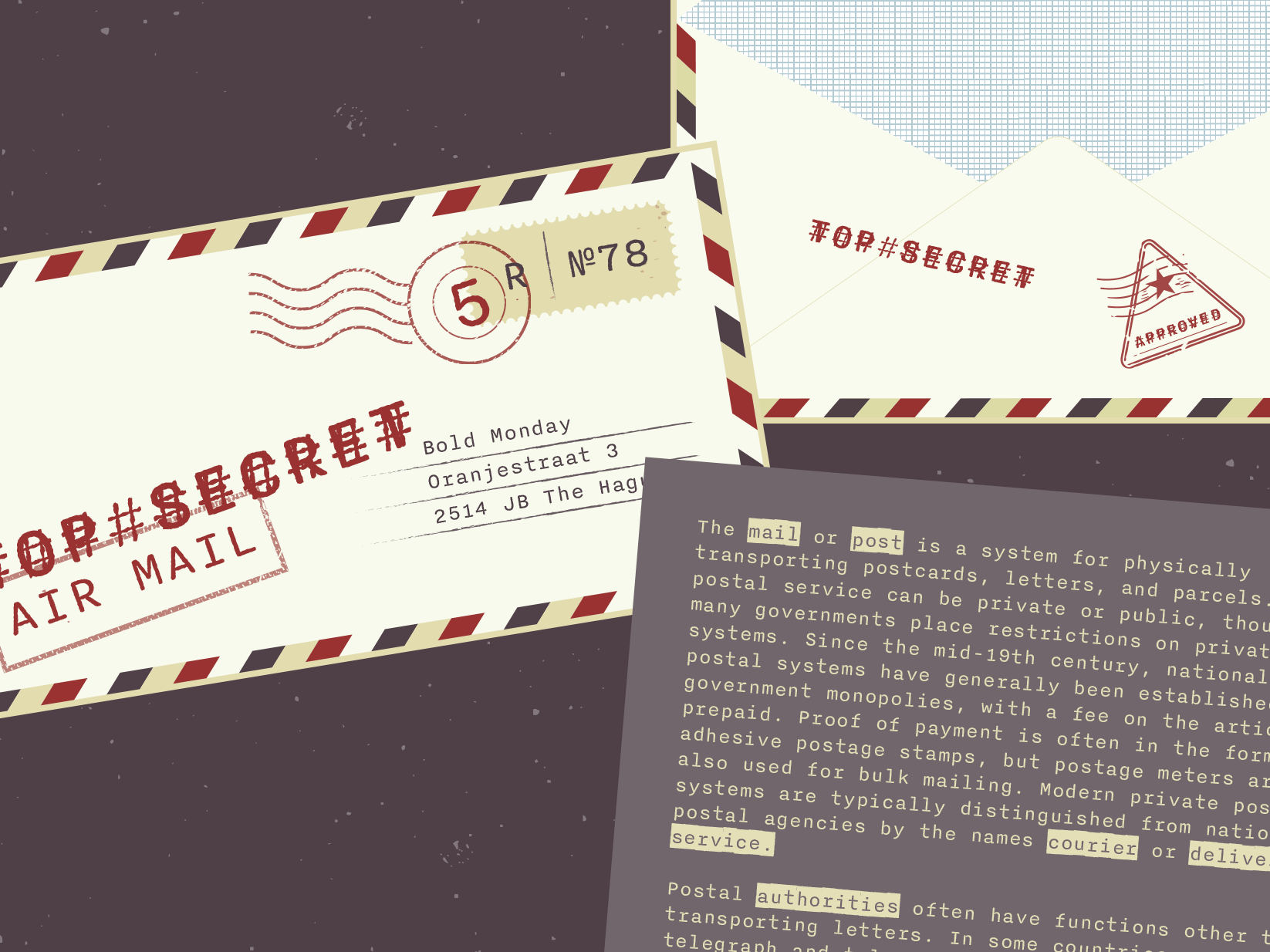
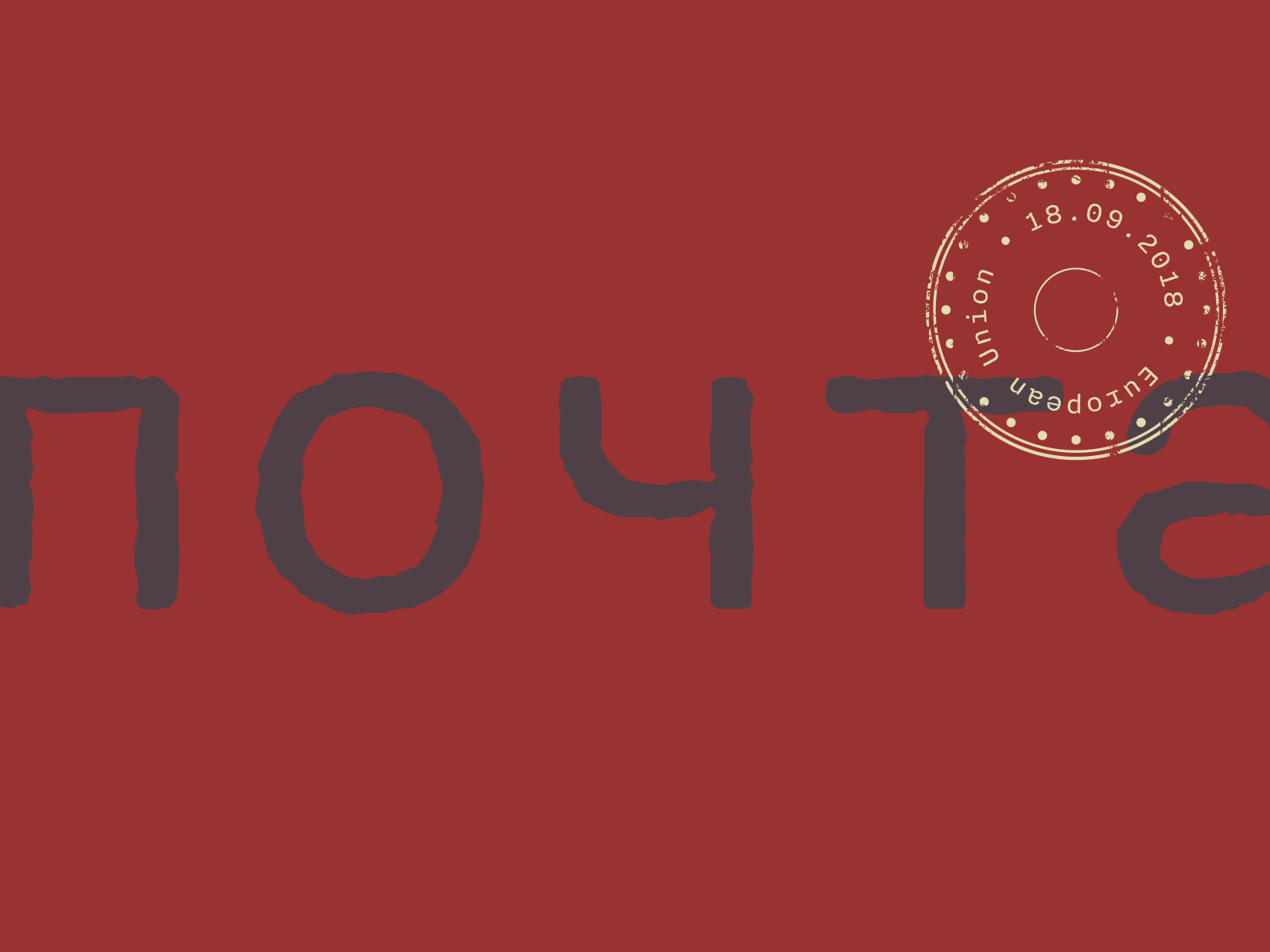
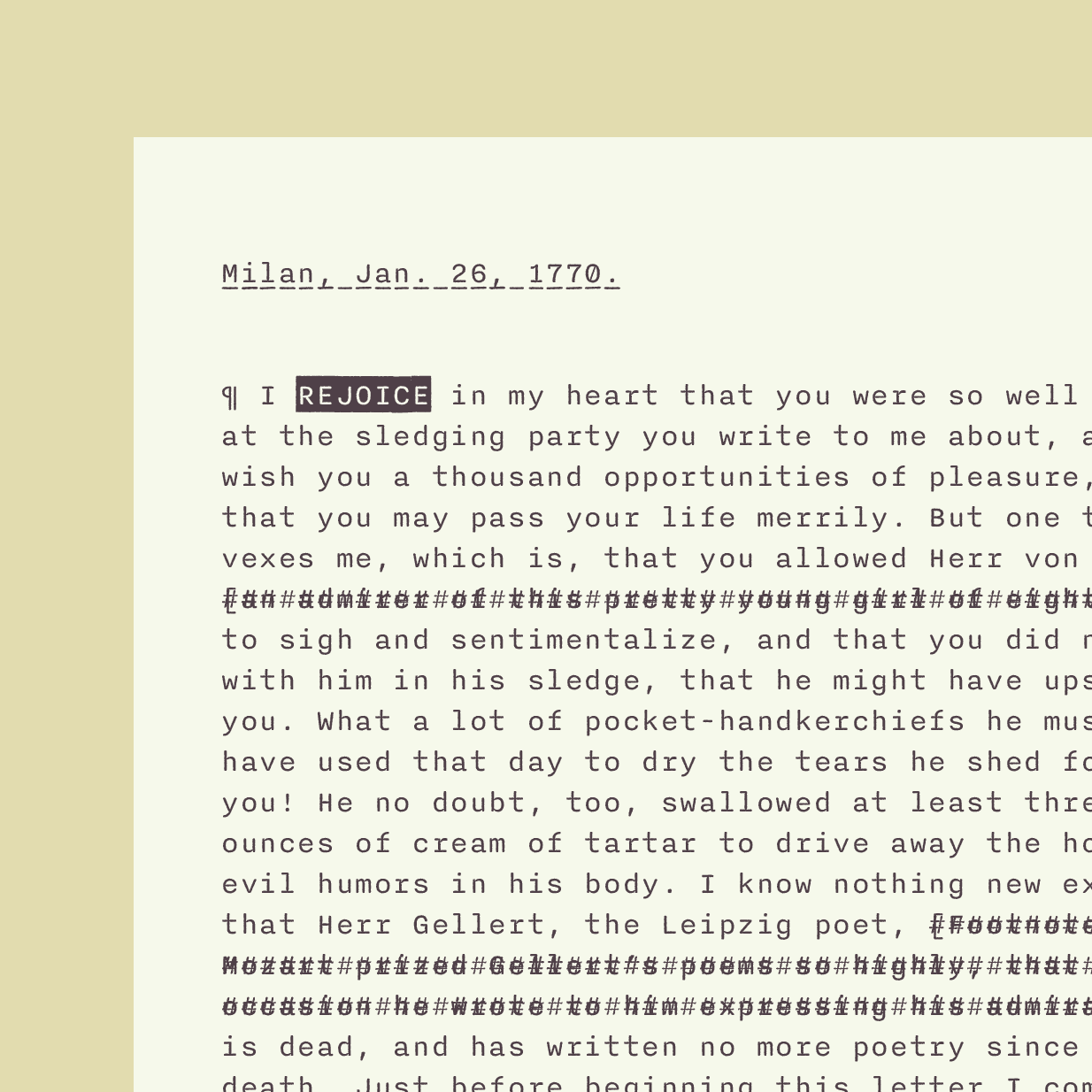
Nitti Typewriter, a relative of our Nitti series, is a playful nod to the aesthetics of typewriters in five flavours: Normal, Open, Underlined, Corrected, and Cameo. The family is based on monospaced Nitti and has its roots in the first sans-serif designs of the 19th century — the Grotesques. Originally a British invention, Grotesques gained massive popularity in mainland Europe and also became widespread in early 20th century USA where they were commonly referred to as ‘Gothic’. The quirky and often idiosyncratic shapes of these early English sans-serifs lend them the humanity and warmth still appreciated among many graphic designers today.
Nitti is named after Francesco Raffaele Nitto, better known as Frank ‘The Enforcer’ Nitti, one of the henchmen of Al Capone. The family is part of a bigger collection of Grotesque-inspired typefaces that also includes a poster version called Stanley, the regular monospaced Nitti, and a proportional version called Nitti Grotesk.
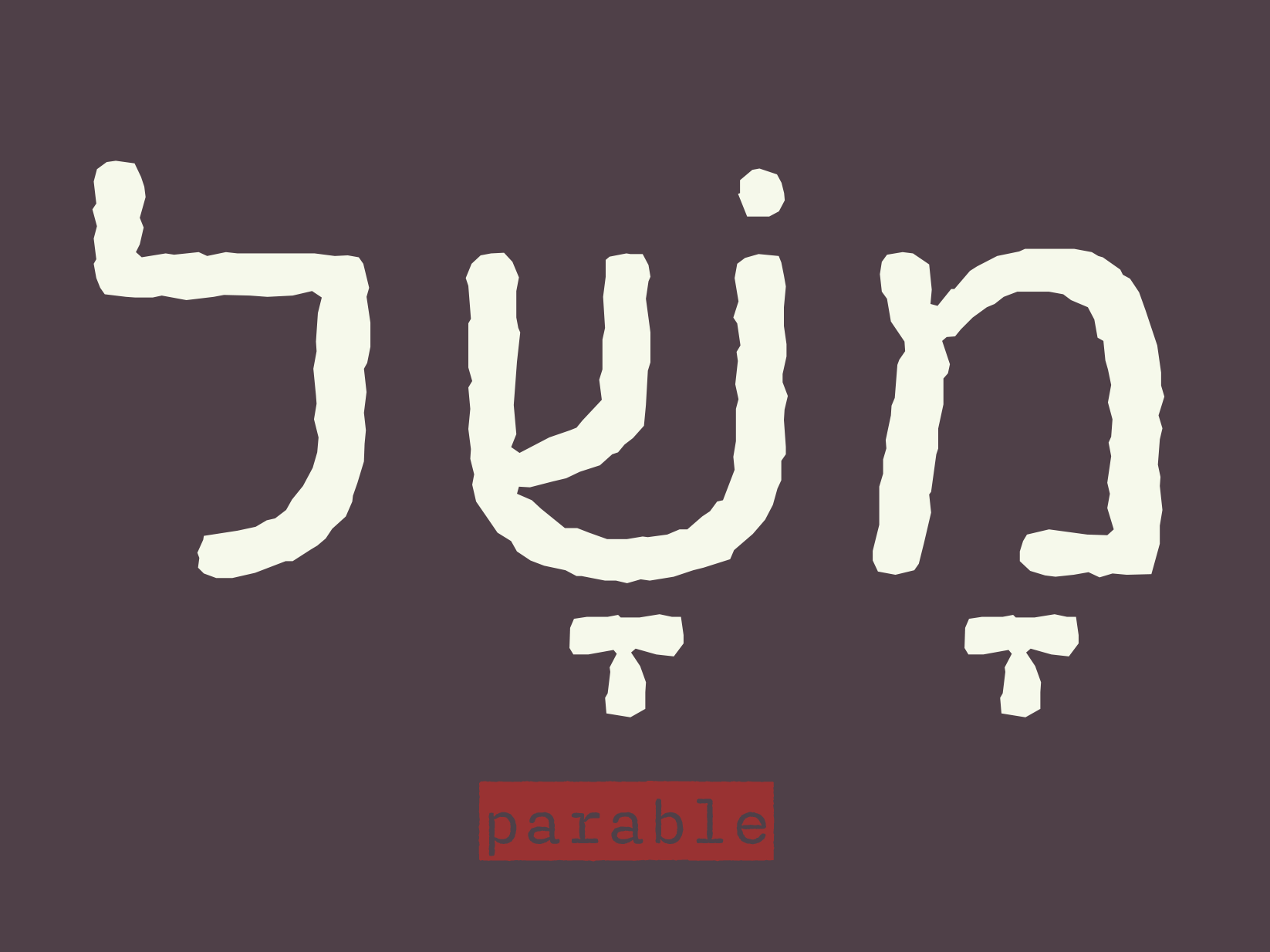
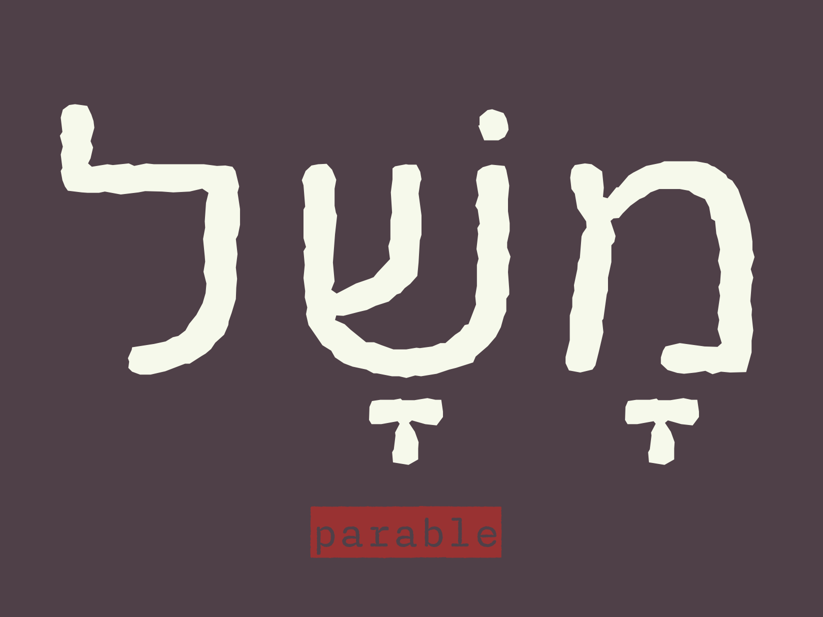
Nitti Typewriter has an very extensive character-set with Latin, Greek, Cyrillic glyphs that cover all European languages, Asian languages that use the Cyrillic script, plus Hebrew.
Designers
Pieter van Rosmalen
Yanek Iontef
2007–2016
Nitti supports the following languages
Afrikaans, Albanian, Asu, Azerbaijani, Basque, Belarusian, Bemba, Bena, Bosnian, Breton, Bulgarian, Catalan, Chiga, Colognian, Cornish, Croatian, Czech, Danish, Dutch, Embu, English, Esperanto, Estonian, Faroese, Filipino, Finnish, French, Friulian, Galician, Ganda, German, Greek, Gusii, Hawaiian, Hebrew, Hungarian, Icelandic, Igbo, Inari Sami, Indonesian, Irish, Italian, Jola-Fonyi, Kabuverdianu, Kalaallisut, Kalenjin, Kamba, Kazakh, Kikuyu, Kinyarwanda, Latvian, Lithuanian, Lower Sorbian, Luo, Luxembourgish, Luyia, Macedonian, Machame, Makhuwa-Meetto, Makonde, Malagasy, Malay, Maltese, Manx, Meru, Mongolian, Morisyen, North Ndebele, Northern Sami, Norwegian Bokmål, Norwegian Nynorsk, Nyankole, Oromo, Polish, Portuguese, Quechua, Romanian, Romansh, Rombo, Rundi, Russian, Rwa, Samburu, Sango, Sangu, Scottish Gaelic, Sena, Serbian, Shambala, Shona, Slovak, Slovenian, Soga, Somali, Spanish, Swahili, Swedish, Swiss German, Taita, Tajik, Teso, Tongan, Turkish, Turkmen, Ukrainian, Upper Sorbian, Uzbek, Vietnamese, Vunjo, Walser, Welsh, Western Frisian, Yiddish, Yoruba and Zulu.




 Loading your cart